Health and Beauty

It comes as wealthy countries have faced increased pressure from WTCC and the World Health Organization (WHO) to share technology and rights with vaccine manufacturers in poorer and middle-income countries.

At the just concluded WTTC Summit in Cancun, Mexico. There wasn’t any public discussion on the catastrophic situation in India, but CEO Gloria Guevara took the initative and interviewed Manuel Santos, a signatory with 170 others to push US President Biden to open patent restrictions, allowing the vaccine to reach developing nations.

President Biden has said previously ”No one is safe until everyone is safe.” Now we must make that happen.

Contribute to saving millions of lives is the common thread of many global calls to action. An example of this can be seen with the development of the US Moderna vaccine, which was developed with the NIAID and received $2.5bn in government funding.

Moderna, along with three of five other vaccine manufacturers in the US that use the government technology, has currently no licensing agreement with Washington.

Globalists say that any licensing should include provisions that allow the US to authorise technology sharing with the WHO to help ramp up global production; and include requirements for accessible pricing universally.

This could contribute to saving millions of lives globally. Global vaccination with highly effective vaccines, is our best defense against the development of vaccine-resistant variants of the coronavirus.

Gordon Brown, former Prime Minister of the United Kingdom said:

“President Biden with the G7 ahead there is an unparalleled opportunity to provide the leadership that only the U.S. can provide and that hastens an end to the pandemic for the world.”

“An urgent temporary waiver of intellectual property rules at the World Trade Organization would help us ramp up global supply of vaccines together with a global multi-year burden sharing plan to finance vaccines for the poorest countries”.

“This would be in the strategic interests of the U.S., and of every country on the planet”

0 comment
0 FacebookTwitterPinterestEmail

The New Year is often the time for a fresh beginning where we make goals to grow and improve ourselves. Popular new year resolutions usually centre around health, whether it’s to lose weight or to start exercise. Everyone starts the new year as hopeful as ever, motivated to make this year the best one yet. Gyms are full and buzzing with new members. You have to fight for a treadmill machine like your kid fights for a swing at Benjasiri Park. Do you know that the first 3 months are the busiest months of the year for any gym? The effect of the New Year resolution is real. But, do you also know that more than 50% of people who start a new exercise programme drop out within the first 6 months? I’m sitting in a coffee shop as I’m writing this article. It’s me and another guy sitting across from me. According to the statistics it’s me or him, or both of us will call it quits, drop out, and stop exercise by mid year. So, what does it take for us to not become a statistic? What is the saving grace that will help us push through the resistance when it’s much easier to do nothing? Here are the 3 tips I want to share with you.

  1. Don’t exercise

Yesterday, I ran into an old client in the playground. As we stood there talking, she told me she hasn’t been exercising just yoga and walking a lot. That sounds like exercise to me! What she told me really was that she hasn’t been doing HIIT and weightlifting like when she trained with me. Many people hate to “exercise”. The word “exercise” seems to conjure up images of putting ourselves through a painful experience doing whatever it is we hate doing. In this respect I must say I haven’t been “exercising” either. My “exercise” is swimming, half drowning, half gasping for air as I try to do my interpretation of freestyle - not fun. You don’t need to put yourself through something you hate to count it as exercise. Don’t battle with it. Make it your friend. Don’t “exercise” but pick whatever movement you enjoy and weave it into your life regularly.

  1. Be your own laboratory

I used to be one of those people who counted my daily calories and tracked how much protein I eat. I tried to eat 1,500 calories and 50 grammes of protein per day. I eventually stopped. Why? Because I was eating so much protein it was getting expensive and I was becoming neurotic tracking so many things.

Today, I eat normally. I wake up, have 2 pieces of buttered honey toast and a Kinto of basil seed iced tea. For lunch, I have rice with 2 kinds of main dishes, one meat based, one veggie based. Sometimes these dishes are home cooked or sometimes they are whatever I feel like from the street vendors like moo ping or spicy pork from a Korean shop next door. I enjoyed closing off my lunch and dinner with a sweet snack, my rule is no snack until midday, it’s arbitrary but it feels reasonable to me. Dinner is whatever leftovers we have in the fridge. Last night was rice, grilled chicken with kimchi.

Business growth concept on turquoise background flat lay. hand stacking wooden blocks.

I know research shows you need to eat a ton of protein to make and keep your muscles. Today, I don’t eat extra protein or supplements, and I can honestly say I can’t see any difference in my body eating 50g of protein per day or eating normally like this. So, keep an open mind, experiment and be your own laboratory. At the end of the day, you know yourself best, distill it down until you find an approach that works for you. This goes for everything in life not just nutrition.

  1. Add heat

When you are baking a cake, you have flour, sugar, eggs, baking powder, butter. You mix them together, but this does not make a cake. It makes goop. You have to put it in the oven and add heat. The heat transforms the goop into cake. In a sense this is what a lasting lifestyle change is like. You have all these ingredients, the logical, rational reasons from your brain that tell you - “I need to make time for myself, eat better, exercise, and move more”, but to know them is not enough. You must add the heat and the energy of your heart. The heat is your feeling, your internal drive, and your emotional sense why something matters to you. What difference would it make to your life if you can lose this weight? “Sia”, one of my coaching clients, told me of her desire to lose weight. In her own words, she wanted to be able to “rock a bikini in her 40s”. As we peeled the layers back, it became clearer to Sia that her definition of rocking a bikini means a strong and lean body, an image she associated with health. As a nutritionist who is an advocate for health, she wants to live a life that’s true to herself and advice she gives to her clients. This was the heat, the fire that Sia discovered inside herself that day. She still wanted to lose weight, but she uncovered her internal drive to be in alignment and at one with herself. When you travel deeper inside yourself and when you’re able to go beyond where your logical mind thinks you should go, you will touch down onto something real. This is the heat that will allow you to burn through your excuses and keep going even when it’s easier to revert back to your old patterns.

Over the years, I’ve come to learn that it’s harder to develop healthy habits if there’s a part of you that’s resisting the change. So, I invite you to find enjoyment in the way you move and eat, and meaningful reason that speaks to your heart. May this be the beginning of your lasting change.

Gale Ruttanaphon

Fitness coach with Pre/Post Natal Specialisation, Corporate Speaker, Life Coach, Mother of two #Get confident in your own skin. Founder of My Mummy First and the creator of The Mummy Reboot, a holistic programme that helps mums lose weight, become stronger, healthier and confident in their own skin.

More available on: www.mymummyfirst.com/themummyreboot

IG: MyMummyFirst

0 comment
0 FacebookTwitterPinterestEmail

Domestic violence is closer than you think. It is often perpetrated by someone close or intimate with the victim. More than 600 million women live in countries where intimate partner violence or domestic violence is not considered a crime. Domestic violence and abuse do not discriminate. It can happen to anyone, regardless of age, gender, ethnicity, or background. Women and children are often more vulnerable to domestic violence, which rears its head in various forms, including physical, sexual, financial and emotional as well as controlling behavior. Domestic violence and abuse are used to gain and maintain control, keeping victims under the abuser’s thumb. There are many causes of domestic violence and abuse. It may start when one partner feels the need to control and dominate the other because of low self-esteem, extreme jealousy, difficulties controlling strong emotions or when they are under a lot of stress.

We at L’Oréal fully understand the seriousness of domestic violence and felt the need to take action against violence and stand up for those who are most in need. We want to use our brands and partnerships with non-profit organizations as a platform for meaningful campaigns that spread knowledge and raise awareness about domestic violence and mental health issues, with the hope that it can be useful and further contribute to meaningful change as well as to help break the stigma behind domestic violence as well as ally the trauma of the abused victims.

During this difficult time we brought on by the Covid-19 pandemic and the lockdown situation, we hear and see heartbreaking stories of domestic abuse becoming increasingly prevalent. Many women are trapped living with an abusive partner during the lockdown and are unable to seek help from experts, organizations, friends, loved ones or colleagues.

One of our brands, Yves Saint Laurent Beauty in Paris, France, launched the “Abuse is Not Love” program in November. It is a global program aimed at helping combat intimate partner violence (IPV). Approximately 1 in 3 women will experience intimate partner violence in their lifetime and prevalence rates have increased from 30 percent to 60 percent as a result of the COVID-19 pandemic. In the United States, United Kingdom and France, one woman is killed every three days by their partner. Abuse is Not Love is supporting the prevention programs of its non-profit partners through funding academic research to develop thought-leadership around youth and prevention, training YSL Beauty employees and beauty advisors on intimate partner violence in the workplace as well as educating at least 2 million people by 2030 on common signs of IPV. If key warning signs can be detected early, we may be able to recognize it better and seek or offer help to the victims. Abuse is Not Love was launched as a global program with 3 key partnerships in 2020: En Avant Toute(s) in France, Women’s Aid in the UK, and It’s on Us in the U.S., with more partnerships coming in 2021 in other countries.

Supporting women, especially when it comes to their independence, is central to the way the brand acts. Intimate partner violence hinders the safety, wellbeing and independence of women,” said Stephan Bezy, International General Manager at Yves Saint Laurent Beauty. “It therefore felt very natural to work on an issue that stood in opposition to our core values and beliefs.”

Maybelline New York also felt the impact of the Covid-19 pandemic which has taken a physical and mental toll on everyone around the world. More than 284 million people experienced anxiety disorders. Depression affects more than 264 million people. Half of all mental health conditions start by age 14, and with the Covid-19 pandemic, these numbers are rising. With anxiety and depression on the rise, as the no. 1 international makeup brand, Maybelline New York wants to provide the right support to help tackle obstacles that are in the way of women and young adults making their mark. With the help of leading mental health NGOs, experts and advocates are offering hands to help Maybelline during this program which is the “Maybelline Brave Together Program”. It is a global cause that provides critical one-on-one support and helps everyone, everywhere.

Maybelline has always believed in the power of making things happen in your life. And we know that mental health is critical in feeling ready to do that,” says Trisha Ayyagari, Global Brand President, Maybelline New York. “We want to use our global voice to de-stigmatize the conversation around mental health and make support easily accessible. Now, more than ever, we need to be there for those living with anxiety and depression.”

Maybelline’s Brave Together program aims to help teenagers and young adults who are struggling with anxiety and depression, to break down the stigma around anxiety and depression, and provide cross-generational support. By partnering with leading non-profit organizations, the program has a specially curated online platform that gives people around the world access to an online community. The program was announced on @Maybelline Instagram account and maybelline.com/bravetogether in September.

Over the past two years, Maybelline has commissioned an expert-led research and conducted focus groups to better understand the topic of mental health. In the focus group, people need a globally accessible platform featuring resources and tips on mental health. Our online community will foster an open, diverse and inclusive destination with inspiration and stories from real people and experts worldwide. To let them know that they are not in this alone, Maybelline has partnered with leading non-profit organization Crisis Text Line to provide increased access to free, 24/7 confidential crisis counseling via text message — those in need can text TOGETHER to 741741 to connect with a crisis counselor. Maybelline also wants to expand this program even further and has committed to investing $10 million over the next five years to mental health organizations worldwide who share its goal of making a real difference. Maybelline Brave Together will continue to grow and develop with the current environment with support from its partners.

An international survey on sexual harassment in public spaces, conducted in partnership with L’Oreal Paris, Ipsos and researchers at Cornell University, reveals that 78% of women have experienced sexual harassment in public spaces. Only 25% of victims say someone helped them. Moreover, 86% of us do not know what to do when we witness it happening. Also, the survey found that 79% of victims of sexual harassment in public spaces say it improved the situation when a witness intervened. These results are extremely alarming. Armed with information and the determination to stand up for all women and combat against everyday street harassment, L’Oreal Paris launched an international bystander training program called “Stand Up Against Street Harassment” in partnership with NGO Hollaback! The program aims to train 1 million people globally in bystander intervention to tackle street harassment. Stand Up aims to simultaneously discourage harassers, support victims, and encourage bystanders to intervene in a bid to overall effect a cultural shift in the global response to street harassment. With the brand’s signature tagline, “I’m worth it”, L’Oréal Paris has multiplied brand initiatives to break down the barriers that prevent women from fully believing in and realizing their self-worth. Leveraging its global reach, today, the Stand Up movement takes the brand’s support for women into the public space by tackling the intimidating behaviours that impact girls’ and women’s very sense of freedom to move through the world.

“L’Oréal Paris stands for empowerment in every walk of a woman’s life. By removing obstacles preventing women from fulfilling their ambitions, we are committed to elevating their sense of self-worth. With Hollaback! and other local NGO partners we invite women and men to stand up, to safely respond when they witness or experience street harassment. Together we can create a world for girls and women to march confidently forward into a future free from street harassment.” Delphine Viguier-Hovasse, Global Brand President of L’Oréal Paris.

The Stand Up program was launched in five countries on International Women’s Day, which is celebrated on March 8. It will be launched in more countries including Thailand. The program aims to drive awareness of street harassment on a global scale to create a call-to-action. To prevent street harassment happening in the future — from schools to public transport to festivals to online spaces — Stand Up will grow a global community of 1 million upstanders trained in the 5Ds method: Direct, Distract, Delegate, Document, and Delay.

Thai women also encounter domestic violence, street harassment and depression. L’Oreal Thailand will activate the brands’ global campaigns as well as provide tools and trainings in Thailand to help raise awareness and fight against these issues.

0 comment
0 FacebookTwitterPinterestEmail

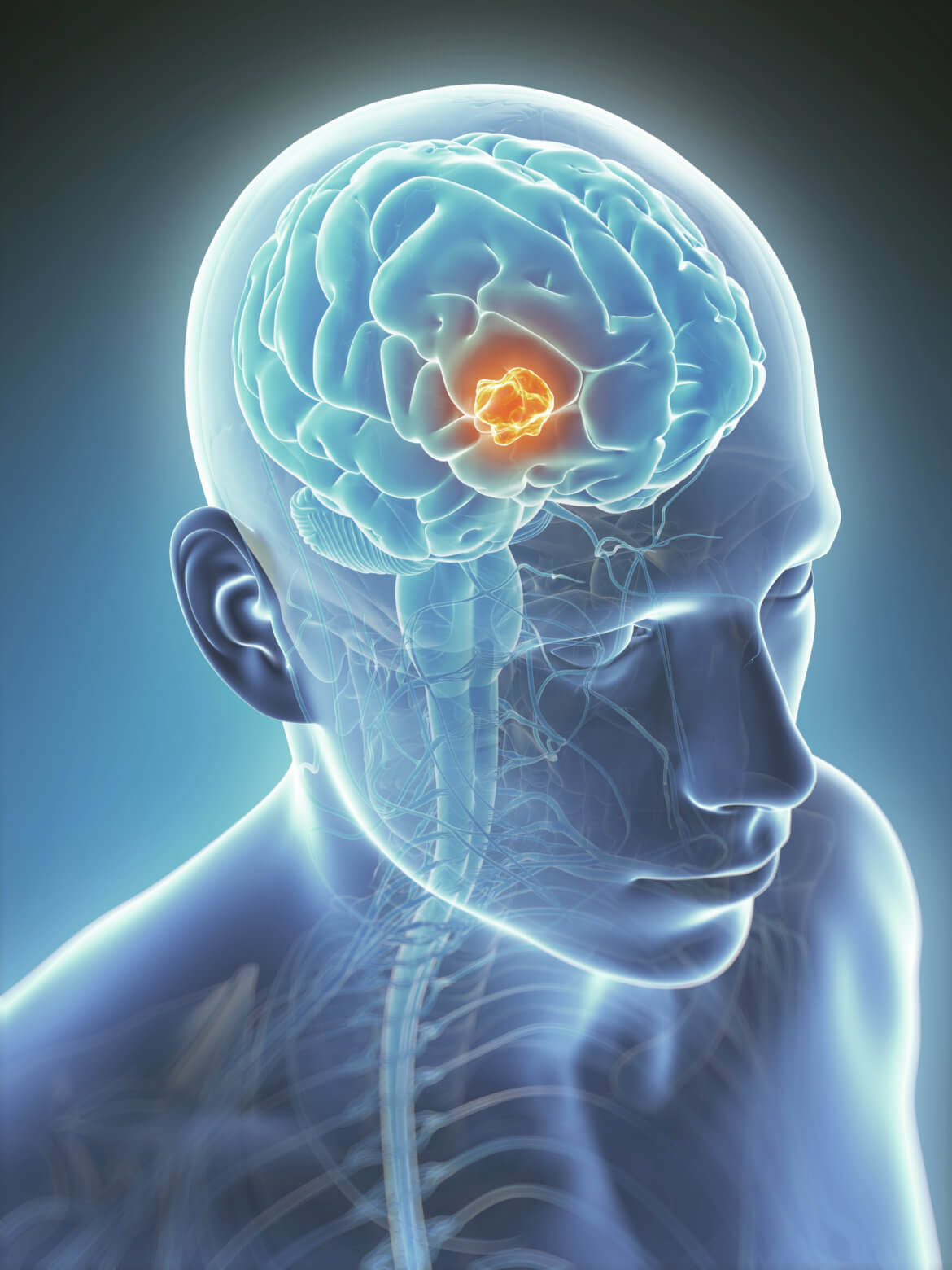
Brain tumours

by Expat Life

The silent killer

Sukumvit Hospital employs advanced techniques to reduce blood loss during brain surgery.

In the case of a recent patient who visited Sukumvit Hospital, a passing headache ended up being a serious condition. The patient, a 40 year old man named Khun Chatra, had a history of headaches but at the end of last year, his frustrations grew when he experienced a severe headache on Father’s Day, with painkillers and regular meals proving ineffective against the pain. Worried about the severity, Khun Chatra consulted with a friend who is a doctor to understand the root cause for the persistent headache. He then decided to visit Sukumvit Hospital, where doctors did a routine examination followed by an MRI that scans the brain using electromagnetic waves. The results showed that the patient had a large tumour, initially believed to be five centimetres in size, in the right side of his brain. The medical team who examined the patient agreed that surgery was necessary to treat the tumour as it was very large. Due to the size, the tumour was likely pressing on key areas of the brain, causing complications. Two doctors specialising in neurology, Dr. Jackree Thanyanopporn, specialist in Neurosurgery and Interventional Neuroradiology and Dr. Juksanee Thanyanopporn, doctor of Neurology, made it clear that there was no choice but to operate.

Dr. Jackree describes the condition of the patient…

“Khun Chatra came to the hospital with a headache. On the day we examined him, we saw that he had severe headache symptoms and his hands trembled but he did not have any weakness. When we ordered the MRI, it was found that he had a brain tumour that was pressing on the right side of his brain that controls limbs, resulting in his left hand tremouring. Afterwards, it was communicated to the patient that the condition puts him at risk of a left hemisphere paralysis and there is the chance of blood loss, loss of memory function, convulsions, and other complications.”

Dr. Jackree describes the condition of the patient…

“Khun Chatra came to the hospital with a headache. On the day we examined him, we saw that he had severe headache symptoms and his hands trembled but he did not have any weakness. When we ordered the MRI, it was found that he had a brain tumour that was pressing on the right side of his brain that controls limbs, resulting in his left hand tremouring. Afterwards, it was communicated to the patient that the condition puts him at risk of a left hemisphere paralysis and there is the chance of blood loss, loss of memory function, convulsions, and other complications.”

Dr. Juksanee Thanyanopporn

After Dr. Jackree saw the diagnostic images, he evaluated that it was a benign tumour and not a malignant tumour, but because of its large size it had the potential to cause blood loss during surgery. To begin the process, the doctor injected dye into the bloodstream, then employed a technique called catheter angiography embolisation, a minimally invasive treatment that blocks the blood vessels to reduce blood flow to an area. Dr. Jackree explains, “Tumours are alive, therefore they can draw new blood vessels. By implementing a catheter angiography embolisation, we can stop this from happening and subsequently reduce blood loss during surgery. This process begins with a close study of MRI results, checking the body’s vitals once again, and then using what is called a Navigator,’ a visual imaging programme that can determine what is needed during the surgery, including preparing the operation room, what incisions are required and what should be avoided, and what to do to ensure no mistakes happen.” Dr. Jackree also explains why the catheter angiography embolisation procedure is beneficial for patients like Khun Chatra: “Patients who are of older age are at risk of blood loss during an operation because the heart will work hard during surgery, which can result in complications like an acute heart attack. The biggest benefit of reducing blood loss through a catheter angiography embolisation is that the patient is safe during the surgery. Although this technique can be used to treat tumours, it is important to consider where the vessels will be occluded, as some locations are not possible. “Brain tumours are a kind of disease that you will never be sure of unless you get tested or unless you have defining symptoms. Many patients in Thailand will wait until they have limb weakness to get an X-ray, then further tests are needed to be determined whether the tumour is benign or malignant. A patient’s medical history is also important, particularly whether they have other diseases or cancers as it adds to the chance of it spreading to the brain. It is imperative to get examined straight away if you suspect a tumour. “Symptoms of a brain tumour differ depending on its location and size. In the case of Khun Chatra, he suffered from headaches, and trembling hands but some people can have numbness, fainting, limb weakness, blurred speech, double vision, and hiccups. Many of these symptoms are similar to stroke. Therefore, finding the root cause it is important so that it can be determined if the tumour is good or bad, and what kind of treatment to seek. A follow-up 3-6 months after is also crucial for reducing the chance of recurrence.”

The patient, Khun Chatra, reflects on the entire treatment process and surgery…

“After listening to an explanation from the doctor, I understood that the risks were quite big with chances of disability and death. But thanks to Dr. Jackree, Dr. Juksanee, and the hospital staff, I was able to make a fast recovery. If you look back on my timeline, I arrived on Dec. 7th. By Dec. 8th we had a plan, Dec. 9th the doctor performed the catheter angiography embolisation, Dec. 10th I rested in the ICU, and on Dec. 11th I underwent brain surgery. Despite being a big procedure, I woke up within half an hour after the anaesthesia wore off. I was able to talk to relatives and the doctor, and was thrilled to have been able to recover quickly. When I think about how I was able to recover, I believe it is a combination of the doctors’ talent and skill and the level of service the hospital were able to provide me. They took very good care of me during my 17 days there.”

0 comment
0 FacebookTwitterPinterestEmail

As springtime comes upon Thailand, I have been reflecting on how Thailand was my “springboard” into this new world of Eastern life including Laos, Malaysia, Vietnam, Cambodia, my Bali life and then being brave enough to expand into Nepal and India. One of the many things I uniquely thank Thailand for, other than new cuisine and cooking classes, vibrant island tours, Northern Province indigenous peoples, my discovery of Matcha, Buddhist culture and art, local Batik textiles and Durian (my goodness what a list!) is the fabulous Thai massages and being trained in the art of this form of body work.

Being a massage therapist for many years at the time of my decision to train in the Thai way wasn’t too hard a decision to come to when on my first journey into Thailand. I first met my lovely trainer, Jidapa Norsai, on Phuket when I was first exploring some of the main tourist spots trying to decide where to settle for a bit to paint; Bangkok, Chiang Mai, Pai, Koh Samui, Krabi and Phuket. After I had made the decision to settle in Phuket I soon re-contacted Miss Jidapa and enrolled in her school of Thai Massage that was licensed and certified through a proper government venue and was excited to begin this new journey. I am sharing this idea to those out there waiting for Thailand to re-open (hopefully come this April edition release that has changed) and feeling like they wish they had something to do or new to learn. If you can find someone in your area to experience this training with, now may be a good time. I do feel hands-on bodywork in these days of social isolation and a “no-touch” ruling in general can be damaging for human connection. Massage and bodywork of any kind can be so healing. Even just being available for your loved ones, family and friends, it is a gift to be shared.

There are many different schools all over Thailand to go to and various styles to take. I think the key, if you’re not a practitioner and just wanting to learn techniques to share, then the most important factor is the ease of which the course is structured and location. I organised my time to be able to take the course in Phuket Town at a time I had finished up with my 3 month “self-tour” of mainland Thailand and had decided to “hunker” in Phuket for another three. I organised to move into my new home in Kamala after my course so could stay in a small hotel across the street from the school. Phuket Town is so charming to spend some real time in, so it certainly wasn’t a trying situation.

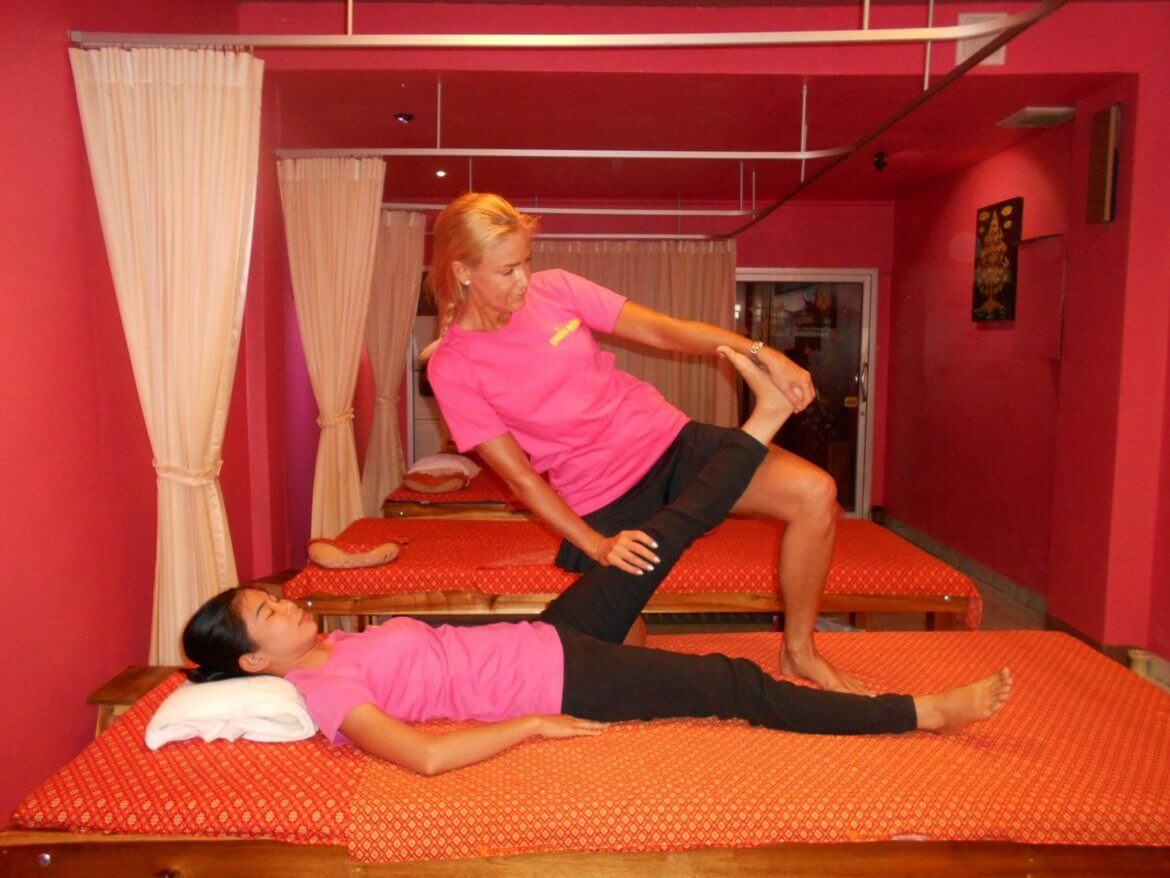
I was impressed with the chiropractor that was also based at the school and it was a real treat to learn the Thai massage way. The main basis for most Thai massage I found in my training was with the way in which the practitioner moved and stretched the limbs of the person while doing some good deep pressure, sometimes with thumbs, sometimes with knees. It encourages the client to engage in “active relaxation” which can be easier said than done! I already knew some Shiatsu work from previous training however the “moving of other people’s limbs” while I stretched them and put pressure on various areas was new to me. If the client is very limber this can be a challenge. There are some very advanced Thai therapists that can lay on their backs while supporting you up in the air with their feet while you relax on top of their feet as they push into your back! This is not a level most attain to but being able to walk on the back, hang from a bar from the ceiling to massage the client with feet can be done. The normal basic way really is just like some of these pictures demonstrate, using thumbs for deep pressure and using one’s forearms and palms for some effleurage type massage, with or without oil. There is also a ‘tapping” method which uses the sides of the hands closest to the pinky to alternately tap rapidly on various areas of the body to loosen and heat up the muscles in that area.

My course was a month intensive training 5 days a week, 7.5 hours a day. It was a professionally certified and licensed massage course that I chose to do to add to my already massage therapist professional resume however, one might think about a weekend workshop or something similar to learn some of the basic moves to practice on family and friends. In this human contact touch, a little can go a long way.

I will always remember the first experiences of my Thai time back in 2015/16 and have been in and out of Thailand many times since. I’ve taken home with me many gifts of experiences from Thailand; tangible art, great new recipes, beautiful textiles and clothes but the best gift I received from Thailand, other than having the privilege of writing for Expat Life in Thailand and sharing my art and healthful ideas, has been the gift of giving a real proper Thai massage!

0 comment
0 FacebookTwitterPinterestEmail

Bird’s Nest is known as caviar of the East for its best rare food only for royalty like connoisseur in the East. It is as precious as caviar. Initially known as Swallow Nest, it was first consumed in China more than 1,500 years ago during the Tang Dynasty. It was considered as rare royal food. Chinese traditional medicine later on confirmed benefits to health and youth after a long record of real efficacy. There are countless interesting stories about this expensive delicacy. It is a ‘must take’ food for pregnant woman and mother as well as for people recovered from sickness or operation. In China, it is usually prepared to impress inlaws or even business associates. I recalled my grandmother in spending long hours to double boil her bird nest soup. Even now, when I go for any hospital visits to friends, a basket of bird nest is generally the most appropriate gift.

Expat Life sat down with Ivy Chau-Soonthornsima, Partner from PrimaNest to learn more about this superfood and its wonders. Chinese have long believed in the visible and tangible health benefits of bird’s nest consumption. Let us explore how this superfood claims to shorten patient recovery time, boasting an “elixir” effect in rejuvenating the skin and giving a more youthful appearance.

Bird’s Nest phenomenon

Ivy explained, “Today with advance scientific technology, bird nest has been tested and proven of its benefits. There are hundreds of reports done by scientist in many countries, which finally explained the myths about Bird nest to the new generation.”

She further elaborated, “Today, bird nest benefits are no longer a myth. Modern science identifies the key ingredient in bird nest as “Glycoprotein”. This so called “super protein” is a principal substance the human body can produce, but regresses over time due to ageing and illness. “Glycoprotein” can be found in abundance in Swiftlets’ nests, which are made from the bird’s saliva. In the past, no scientific explanation can be made on the health benefits of the people who consume bird nest, as Glycoprotein was not known until its discovery, which garnered a Nobel Prize in 1994. Glycoproteins in bird nest are enriched in EGF (Epidermal Cell Growth Factor), Sialic acid and 19 other types of amino acids.”

Expensive delicacy

A good bowl of bird’s nest soup in a restaurant may cost over 1,000B. Different grades of ready to drink bottles range from 100 to 500B. What exactly is this bird’s nest? Ivy described, “Bird’s nest refers to the saliva produced by the Swiftlet birds, while making its nest. The saliva acts as glue, pasted to form a thin flaky wall in the nest. When the saliva comes in contact with air, it hardens and a white bird’s nest cup is formed. The entire process takes around 30 days.”

Bird’s nest can be classified into Cave Nest, House Nest and Grass Nest. They are then grouped further into White Nest, Golden Nest and Red Nest. Cave bird’s nests are mainly harvested from natural caves in the states South of Thailand. The harvesters often face considerable danger when harvesting these bird nests. Since free, naturally living Swiftlet forms cave bird nests, some people consider them to be more valuable than bird’s nests found in houses. Thus, cave bird nests often fetch a higher price as compared to house bird nest. It is important to know that cave nest or house nest are from the same Collocalia specie thus it has the same bioactive value from the glycoprotein which is the main content.

Tips in consuming this superfood

Bird’s nest contains glycoprotein and amino acid and is rich in mineral content such as calcium, potassium, phosphorus, carbohydrate, iron and iodine. These nutrients have many benefits to the body, such as improve metabolism, tissue and cell growth; and enrich vital energy. Experts have concluded that bird’s nests have three main functions in enhancing the rebirth of cells and tissues, improving the immune system and strengthening the body health and accelerate recovery from illness.

More questions to ask our expert, “How often can I eat bird nest? Can I eat too much bird nest? When is the best time to consume bird nest?”

Ivy advised, “Bird nest can be consumed daily. An average person can consume anything 3 to 5 grammes of dried bird nest. The body will discharge any excess consumption. It is best to take a spoon of bird nest in the morning when the body is fresh and the stomach is empty, ready to take full benefit of bird nest. It is also best before sleep, as the rich antioxidants will help the body to eradicate free radicals as the body heals during our sleep. Empress Dowager of China had been consuming bird nest before bedtime as a royal ritual.”

Ready to go and easy to eat

In the old days, my grandmother would buy dried bird nest. The cooking process was long with soaking in water, picking the feathers, and slowly double boiled to make the soup. Now, ready to drink bottles are stock on shelves in the supermarkets. The question is “Are manufactured bottles as nutritious as home-cooked version?” Ivy clarified, “Yes, ready made bottles contain the same nutritional value. The old way of preparing your own dried bird nest may easily result in overcooking or burnt. The “modernised” factory way is safer and more hygienic. For example, here in PrimaNest with our factory in the South of Thailand, our procedure involves handpicking the feathers by mineral water. The process is 100% pure with no addictive or preservative. The way we “de-germ” is at 105 degrees of boiling water which is not possible to do at home.”

The miracle of bird’s nest on skincare

Apart from being an edible food, bird’s nest has been applied to skin dermatology use. Ivy clarified, “To understand the benefits that bird nest can work on our skin, we need to first be acquainted with EGF (Epidermal Growth Factor) which can be found in human cells. Normally, the human body can produce EGF, but its capacity usually subsides with age or pollution. EGF stimulates cell proliferation, differentiation and development. With this efficacy there has been endeavour to extract EGF from various plants to produce a premium skincare line without realising that EGF is abundant in natural bird nest. And it is this EGF in the bird nest, which contains properties, and structural characteristics most similar to those found in human body. Bird nest extract cosmetic contains EGF and Sialic acid that helps restore skin cell from within, prevents fine lines, acne, comedones (black/whiteheads), freckles, and other types of blemishes.”

After learning the benefits of this wonder food, I shall pursue the ancient Chinese royal ritual to have a spoonful of bird nest before bedtime, and put on a bird nest facial mask to sleep!

0 comment
0 FacebookTwitterPinterestEmail

Making new strides Sukumvit Hospital’s advanced walking robot can help patients who have suffered from stroke, paralysis, and other cerebrovascular complications, walk again.

Sukumvit Hospital has recently welcomed new innovation that has increased the potential of their Rehabilitation Center in helping patients who have suffered from stroke that has resulted in mobility loss and paralysis. These developments also aid with other cerebrovascular complications such as spinal cord and nerve injuries that have resulted in mental and physical damage. Recovery from these conditions require interdisciplinary advice, especially in regard to drug treatment and the rehabilitation process, which uses advanced methods under the supervision of doctors, physiotherapists, and occupational therapists to stimulate the movements necessary to help patients regain their ability to walk. An example is walking training, which is currently evolving thanks to technology. It has now reached a stage where a walking robot, an ‘exoskeleton,’ has been certified to help patients improve mobility by letting them imitate walking on the ground.

Dr. Pannawish Wongwiwattananon a Rehabilitation Medicine Specialist at Sukumvit Hospital’s Rehabilitation Center, explains that…

“Most stroke patients have symptoms of hemiplegia, which describes paralysis of one side of the body, stiffness, weakness, and lack of muscle control. In severe cases, patients may experience paralysis in the entire body. Patients who have hemiplegia can use the robot ‘exoskeleton’ after the acute phase of their condition (two to 48 hours) while in the subacute phase (approximately two weeks after). The robot is effective in aiding recovery because it can be used to practice walking. In the past, we would require two to three physicians to support the patient while they practice walking. However, with the ‘exoskeleton,’ this is no longer necessary. “With this new technology, patients with cerebrovascular disease, paralysis, and injuries to their spinal cord and nerves, are able to practice mobility while also training their muscles to walk in real life. It allows the patient to twist their knees, hips, and waist, and tilt forward and side to side as normal. It also lets the patient walk on the ground and not a treadmill, which is more similar to real life. Unlike older models, this new ‘exoskeleton’ means the patient will not lock their waist or pelvis. It also aids in developing muscles in the waist, back, and hips, and helps brain cells recover to.

Dr. Pannawish Wongwiwattananon

Dr. Vorawat Eawsinphanit

Dr. Vorawat Eawsinphanit, another Rehabilitation Medicine Specialist at Sukumvit Hospital’s Rehabilitation Center, provided information about… “After a cerebrovascular patient receives in treatment in the critical (acute) phase, approximately 70% will have residual abnormalities such as weakness and trouble swallowing water or food so it is imperative to begin rehabilitation as soon as possible. Many patients and their relatives do not know what the necessary steps are, so many will rely on massage therapy alone. But the six months after an individual survives a cerebrovascular problem are considered the ‘golden period’ of recovery so it is critical to seek all types of rehabilitation. “At our centre, we provide many services such as regenerative rehabilitation, integrated medicine, and modern medicine, delivered by a team of physicians, physical therapists, internal medicine doctors, neurological specialists, neurosurgeons, and others, all of whom use modern medical technology to aid every individual case. One notable example is the ‘Exoskeleton,’ a robot that can help stimulate the muscles and cells in the nervous system that have been damaged. Another facet of therapy is Transcranial Magnetic Stimulation (TMS), therapy that focuses on the function of pulsed magnetic field to stimulate nerve cells in the brain. This non-invasive technique can help patients regain their ability to walk. Similarly, Hyperbaric Oxygen Therapy (HBOT) helps increase supply of oxygen to the parts of the brain affected by cerebrovascular conditions like stroke. Patients must realize that even if recovery is slow after six months, it does not mean one cannot recover. Whether it is the first six months or the six months after, rehabilitation therapy is crucial.”

Problems and solutions:

Dr. Vorawat discusses problems that patients often face and how the hospital can aid them. Firstly, depression. 80% of patients with cerebrovascular disease face psychological problems as a result of having limited mobility. The severity of the depression depends on each patient, but in cases of severe depression, a multidisciplinary team can help a patient recover both physically and mentally. Moreover, Dr. Vorawat advises caregivers of patients with cerebrovascular disease to not leave patients at home. They should seek consultation with a doctor so they can enter a rehabilitation programme as soon as possible. Every day that passes without doing anything is one less day spent towards making a full recovery. Only careful planning with a team of doctors, physicians, and occupational therapists can help an individual return to normal life as normal.”


SUKUMVIT HOSPITAL 1411 Sukhumvit Road (Ekkamai BTS) Phrakanong Nua, Wattana, Bangkok, Thailand 10110 Tel: 02 391 0011 www.sukumvithospital.com Email: [email protected]

0 comment
0 FacebookTwitterPinterestEmail

by Khun Pissara Umavijani

After many years of being a perfume collector, I wondered what made perfumes magic. I have a friend, Anuchy, we spent hours smelling, talking about fragrances and what made them special. We decided to order raw materials from different global suppliers. On arrival, the joy of discovery was greater than anything we could imagine! That was the beginning of an inwards and outwards journey.

Scents link directly to our brain. They stimulate our emotions. It is the most primal part of perception. It creates wonderful and powerful mind tricks. I have discovered the reason behind the creation of Parfums Dusita: Good perfumes make you happy; great perfumes make you dream.

I came to Paris in 2011 with nothing but dreams. My father died in 2006. The experience of losing him made me realise how ephemeral life was and how important it was to build something, to be happy and to do what you love. I knew my heart was in perfumery. I wanted to affect other people as my fragrances affected me.

I believe we need good perfumes in life. We need sensation that links directly to our brain and stimulate our emotions. We make decisions based on scents without knowing. It is a primal perception.

I created Dusita with passion. I wish to make people dream, discover, and feel this sensation of happiness. Through the countless hours of working and collecting inspirations everywhere, I believe that perfumes will speak for themselves. I believe that people will always seek a good scent. Creativity is characterised by the ability to perceive the world in new ways, to find hidden patterns, to make connections between seemingly unrelated phenomena, and embracing originality.

Parfums Dusita is about happiness each creation is crafted to portrait an aspect of it: Issara is about freedom, Mélodie de l’amour is about love, Oudh Infini is about discovering new things and places, and Erawan is about personal growth.

Creativity is also about making connections. I am always thinking about the world and the experiences I have daily, but sometimes I like to open one of my father’s poetry books and see how it makes me feel.

I started to think of how my Father’s wonders about his longings and his ability to ever be happy. I believe that happens to all of us; we eventually reach points of uncertainty. We need to find a way to reach peace of mind. I started sketching. As he mentioned in a poem, I drew the Sun Moon Lake and a golden Thai temple in the middle. It was a representation of a guiding source of light, steadiness and tranquility.

I think about elements and select picture colours when drawing. I paint the fragrance already in my mind. The temple translated into incense; the water into freshness. These are my two main scents: Frankincense and Mint Citrata. I want to depict tranquility, but also the roughness of difficult times. I decided on a contrasting astringent green fig scent.

In my lab I worked on my idea of fragrance. The name Le Pavillon d’Or came later, but I called it my “guiding light” fragrance. I do many trials. I start balancing a few materials as a core then build. Developing perfumes is a process that takes months. You have to let it macerate, evolve, be organised and keep the olfactive direction you wish it to go in check.

When I am in Thailand, I collect succulents. I fell in love with the crushed Boswellia leaf smell. This inspired me to use Omani Frankincense Green Sacra. I found this material soft, delicate and breezy. It also blends well with white florals. One perfumer basic is to know the materials, analyse facets and evolution, but you must evaluate how they perform inside a composition and how they interact with other scents. It is a continuous learning process. Every time I enter my Paris laboratory, I discover something new… magic for a nose! That is why perfumery is my never ending passion.

When the formulations are ready, I send them to Grasse, where they blend them with globally sourced precious raw materials. Creating perfume concentrate in large quantity is also another expertise I admire. Each year I get the raw materials to analyse them from different sources such as Grasse Rose de Mais, Tunisian Orange Flower Absolute, Madagascar Vanilla Absolute and Indian Sandalwood. If the quality is right, I use it in my formulation.

0 comment
0 FacebookTwitterPinterestEmail

If we can see a glimmer of positivity from the past year as the world grappled with the COVID-19 global pandemic, one can rank widespread acceptance of masks as a method to protect our health and those around us. Many of us have incredibly spent the last 12 months wearing facial masks outside of our home seven days a week. Young and old, we are all masked warriors doing our best to stay healthy. 2020 certainly saw the mask and mask accessory industry explode like never before. 2021 and it appears that necessity will continue long into the year. We have taken this step diligently as a way to help protect our health and halt the spread of COVID-19. What we have also accomplished by default is countless hours of cleaner air making its way into our lungs. The right mask that fits well helps protect us from Covid-19 and protects our lungs from the toxic pollutants that are in the air.

Over the past decade, I became uniquely and alarmingly acquainted with the hazards of air pollution on human health. Like a toxic friendship you just can’t shake, even short term exposure to dirty air lingers on the mind and manifests across the body with nagging coughs, dull headaches and irritation of eyes and throat. The worry of air pollution on our health over these past years became so great it yielded personal action for me. In the early 2010’s, I helped co-found an air pollution awareness and advocacy group called Care for Air. By 2016, my family had literally moved to another country, in large part, due to our search for cleaner, healthier air. I suspect we will not be alone in the years ahead to what may be a tidal wave of air pollution expatriates.

Today we know air pollution is on the rise globally. According to the World Health Organisation more than 80% of city residents around the world are exposed to particulate pollution at unsafe levels. Seven million people are killed prematurely each year by air pollution in both rich and poor countries. Sadly, Thailand is no stranger to air pollution and it’s not just Bangkok. Chiang Mai ranks among the top regions for exceedingly high levels of hazardous air. Saraburi, Chonburi and Samut Sakhon unfortunately also join this list. The Air Quality Life Index (AQLI) by the University of Chicago shows long term exposure to fine particulate pollution is shortening the average Thai’s life expectancy by more than two years. In the most polluted areas that number grows to four years of reduced life expectancy. The AQLI found that 87% of Thailand’s 68 million residents are exposed to air pollution levels exceeding WHO guidelines. This public health crisis of dangerous and toxic air hits children, the elderly and the most vulnerable people hardest. It is estimated that 10-15% of children in Thailand suffer from asthma.

So, what is going on with Bangkok’s air? In recent years, there have been some improvements. Yet still the problem persists with air pollution levels reaching highest levels over the winter and drier months. Seasonal weather patterns and human activities combine to make the winter months here in Thailand particularly bad. Compounding that - Bangkok is not a very windy city. The lack of wind is problematic in the cooler months as PM 2.5 pollution particles build in the air and there is not enough wind to disperse them. The cooler temperatures cause an inversion effect which results in the air pollution stagnating for days at a time. Thailand’s air pollution problem comes from a combination of vehicular emissions, biomass burning, agriculture and industrial emissions, among other factors. Our location on our planet even plays a role in exacerbating this problem. A recent study from the University of North Carolina at Chapel Hill revealed that effectively where air pollution comes from is as important as how much is emitted. Air pollution generated in the areas closer to the equator where there is more heat and light yield more ozone than regions farther from the equator. That unfortunately puts SE Asia squarely in this hot zone.

Whether we know it or not, air pollution is shaping our lives. But we can get educated and take better ownership of the air we breathe to protect ourselves and to ensure we do not become major contributors. The problem of toxic air will not go away without sustained efforts – large and small. So, what can we do on an individual level to reduce our own personal air pollution footprint? Well a lot it turns out. Small changes at home snowball. The air around us improves and our example begins to set in motion a collective responsibility.

So, starting today, why not proudly become a clean air ambassador:

  1. Wheels matter:
    Go on two wheels when possible! Bike around town if that is safe in your area. If you own a motorcycle or diesel car, consider switching on your next trade-in or purchase to a hybrid or petrol vehicle. In the meantime, reduce your emissions by ensuring your car isn’t the one idling for long periods in the driveway, at markets or school. For all vehicles, turn the engine off when not in motion.

When it comes to getting around, consider walking, biking, or public transport when possible.

  1. Check readings daily and avoid outdoor aerobic activities during peak air pollution times.

Air pollution levels tend to be highest during early morning and evening hours. Sadly, this is also when temperatures are most pleasant for outdoor exercise, especially when wearing a mask. Check air pollution readings via your phone app, like IQ Air or Air Visual, before taking that power walk or run outside.

  1. Become a compost convert! Dispose of garden waste eco-friendly
    Learn how to compost and organise a neighbourhood composting group. Food from dinner leftovers to inedible waste like eggshells and garden waste can be composted which helps nourish the soil and in turn reduces what goes into landfills. Think it won’t make a difference, well, consider this: Organic waste (food and garden waste) in landfills generates methane which is a potent greenhouse gas. Compost can also capture and destroy a significant portion of industrial volatile organic chemicals (VOCs) in contaminated air.

  1. Clean green air inside your home

For most of us, the majority of our time is spent indoors, whether at home, work or now virtual school. Indoor air it turns out is as polluted, sometimes more so, than outdoor air. The air inside is compromised by both external pollutants (PM 2.5, ozone) that come in through every window and open door, as well as indoor air generated toxins (benzene, formaldehyde, xylene, ammonia and trichloroethylene) from paints, varnish, leathers, plastics and more. These indoor air pollutants are linked to headaches, eye irritation, dizziness and more. The good news is we have some natural remedies at hand. The use of several plants can dramatically improve our indoor air.

NASA’s 1989 Clean Air Study set out to find the best ways to naturally clean the air in space stations. The result? They also determined the best plants to purify your indoor air at home. The Spider Plant, Mother-in-Law’s Tongue, Peace Lily, Dracaena and Chrysanthemum make great natural air filters and they are pretty hardy for those of us who are not natural green thumbs. NASA research suggests at least one plant per 100 square feet of home or work space.


Learn more about air pollution causes and solutions. Join clean air movements such as www.careforair.org. Sate safe and healthy from air pollution and Covid-19.

0 comment
0 FacebookTwitterPinterestEmail

Today we are speaking with Dr. Nick Walters, B.S., M.D. (USA), DTM&H (London), FAAFP, ABFP (Diplomate). He is one of the world’s leading experts in family medicine, tropical and preventative medicine. He works at Bangkok Adventist or Mission Hospital, a non-profit medical facility here In Bangkok. Dr. Walters is also one of the editors of the SEAMEO SE Asian Journal of Tropical Medicine and Public Health (SEATROPH). The magazine is published by the SEAMEO Regional Tropical Medicine and Public Health Network (SEAMEO TROPMED Network). One annual volume comprises of six bi-monthly issues (January, March, May, July, September, and November).

When did you first come here to Thailand?

I first came to Thailand in December 2002.

What has changed here the most?

The cost of things has gone up but as is present everywhere in the world, Thailand has become more digitally connected and so many people seem to have a cellphone to access social media.

What has changed here the least?

People still like to go out with families or friends to eat together.

Can you tell us about your job at Mission Hospital?

I am a medical doctor at Mission Hospital in Bangkok, Thailand. I am also an editor of a medical journal published by SEAMEO (SE Asian Ministers of Education Organisation) Regional Tropical Medicine and Public Health Network (TROPMED), called the SE Asian Journal of Tropical Medicine and Public Health.

Where do you like to go when you are off work?

I like to go out to eat dinner with my wife. We try to have a date night once a week. Being a doctor keeps me out of the house for many hours each week, so I do not mind being at home when I am off work; in fact I enjoy it. There is always something that needs to be done in the house and if my wife and I are both doing it together, it is a joy. Another thing we do that I really enjoy is having free medical clinics for poor people in various parts of Thailand. Mission Hospital is under the Christian Medical Foundation, so we do free clinics in various parts of Thailand from as far South as Songkhla, as far North as Chiang Mai. From Tak in the West to Nan in the East. We usually go into villages where there is a need and provide medical care. This allows me an interaction with people that most visitors to Thailand would not see and it is very fulfilling.

What are your favourite places to eat?

Any place vegetarian.

Can you tell us about your family?

I am married and we have two children. My oldest son just finished dentistry in California last year and works as a dentist there. My youngest son is in medical school in California. My wife is here with me in Thailand.

What do you do for fun?

Redecorating around the house little by little and am an avid reader of history.

What advice do you have for any expatriate who wants to move to Thailand and live here?

Learn the language. Do not wait until you can speak Thai perfectly before trying to speak Thai, because it will never happen. Thai people are very forgiving of us foreigners when we try to speak Thai. Mix with Thai people. Enjoy the interaction.

You are an American medical doctor with a Thai medical licence here in Thailand. That is completely unheard of, it is extremely rare. Can you please tell us more about how you managed to do that?

I came to Thailand and went to a formal language school to learn Thai. I did this for 9 months, 20 hours a week, 4 hours each morning, 5 days a week, in a language school. I then volunteered in the afternoons at the Mahidol University Hospital for Tropical Diseases immersing myself in the medical language. I then studied medical Thai for another 9 months with a tutor and continued to volunteer at the hospital. After this 18 month period I took my medical boards in the Thai language and passed all 3 parts on the first time in what I consider a miracle from God. The effort was worth it because living in Thailand is much smoother if a person can understand Thai. I do not use a translator at work, and I see both Thai and foreign patients for general medicine as well as tropical diseases, for which I also have a specialty.

0 comment
2 FacebookTwitterPinterestEmail