Independent since 1830, Belgium is a relatively young country, and its history is closely linked to the ones of its neighbours. Being located in the centre of Europe, Belgium is strongly connected to its bordering countries. Throughout its history, it has been part notably, of the French, Austrian and Spanish Empires. Its cuisine is therefore influenced by the cuisine of its neighbours but also by the more recent labour migration, first Italian and then, 50 years ago, Turkish and Moroccan.
Belgian cuisine is therefore a very diverse cuisine that is open to novelties and influences. The Belgians like to celebrate and that is also clearly reflected in their dishes. I sat down with H. E. Mrs. Sibille de Cartier d’Yves, Ambassador of The Embassy of the Kingdom of Belgium to the Kingdom of Thailand to learn about Belgian culinary story.


I asked Ambassador Sibille about the history of Belgian cuisine, she described, and “Belgian cuisine has been strongly linked to the French for a long time. However, some specifically Belgian dishes date back to the 19th century, like waffles or waterzooi (a soup made of vegetables, cream, and fish). We also find centuries old Mediterranean influence in Belgian cuisine, as Italian merchants were regular visitors to the city of Bruges, which was a commercial metropolis at the centre of Europe in medieval times.”
Ambassador Sibille further elaborated, “Belgium produces a lot of craft beers and they form the basis of many of our dishes. The North Sea being part of our territory, seafood is traditionally also part of Belgian cuisine, notably in the North of the country. The famous mussels, the Belgian grey shrimps, eels or sole’s are prepared in many different ways. The South of the country has lots of forests, so you will find game meat, such as wild boar and deer, on the menu in wintertime.”
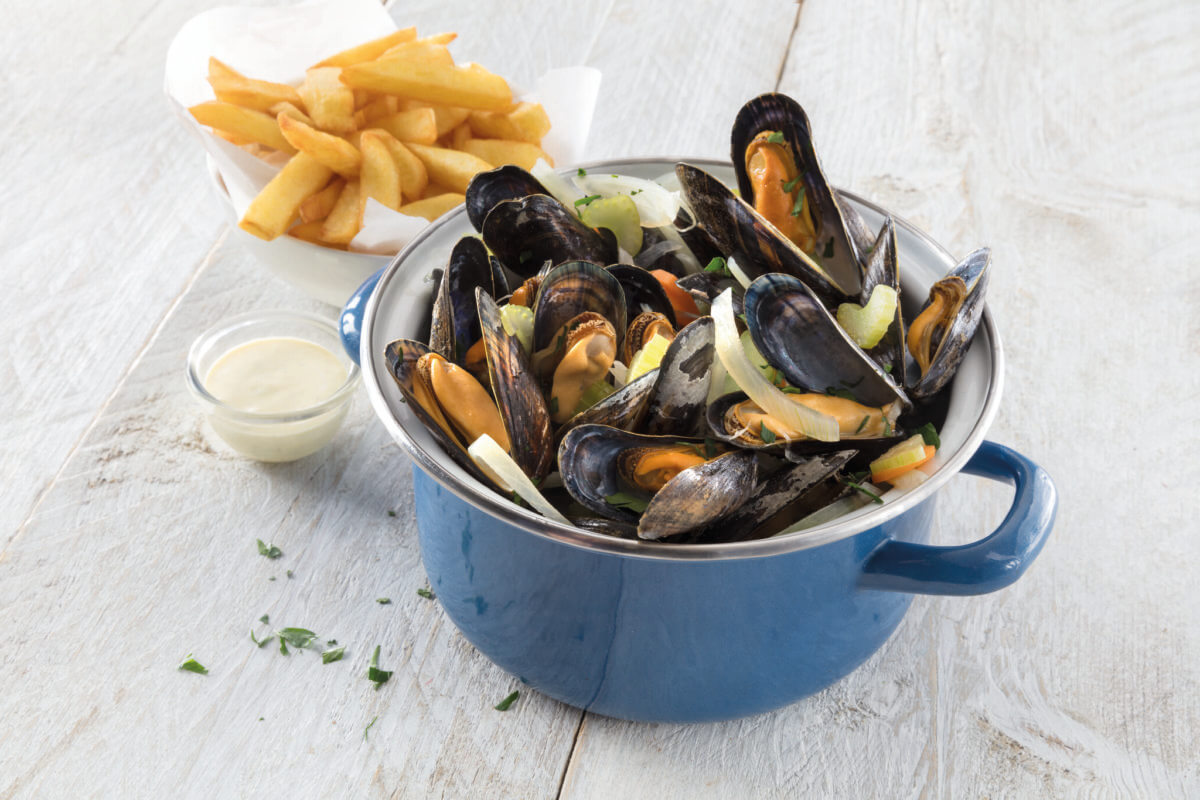
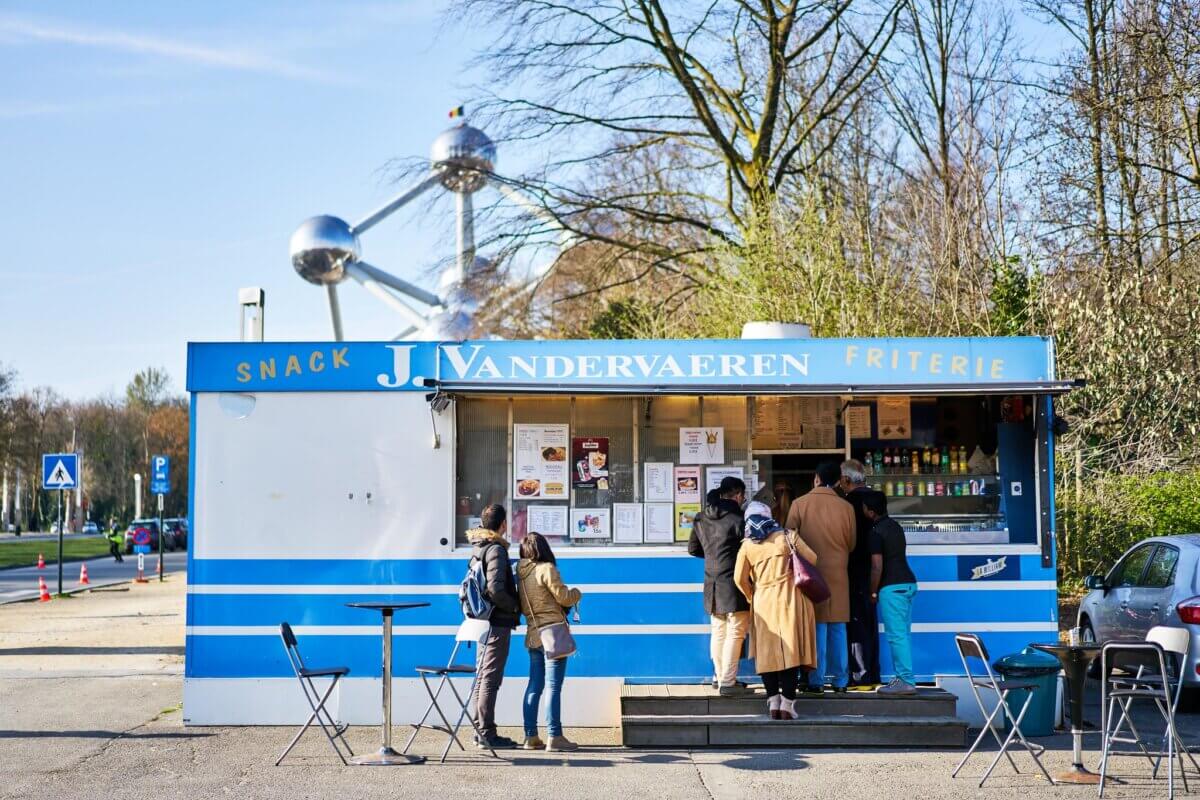
“Brought to Europe from Latin America in the 16th century, the potato has been part of Belgian cuisine since the 18th century. Today, it is an essential part of our food tradition, from street food – with the famous “frietkot” selling fries – to high-end culinary traditions. You will rarely find a Belgian dish without the potato, but its shapes and tastes come in hundreds of variations. Therefore it is not surprising that mussel’s fries became one of our most famous national dishes! As far as vegetables are concerned, endives, white asparagus or the famous Brussels sprouts are typical Belgian accompaniments.”
Next, we discussed the popularity of Belgian cuisine in the world, and “Belgian cuisine is mostly known for our flagship products With hundreds of different types being brewed, beer is of course one of our prime export products. The quality of Belgian chocolate, another famous export product, is renowned throughout the world. Waffles are usually also known as one of Belgium’s culinary specialties, just as mussels and fries – typically eaten in Belgium with a homemade mayonnaise.”


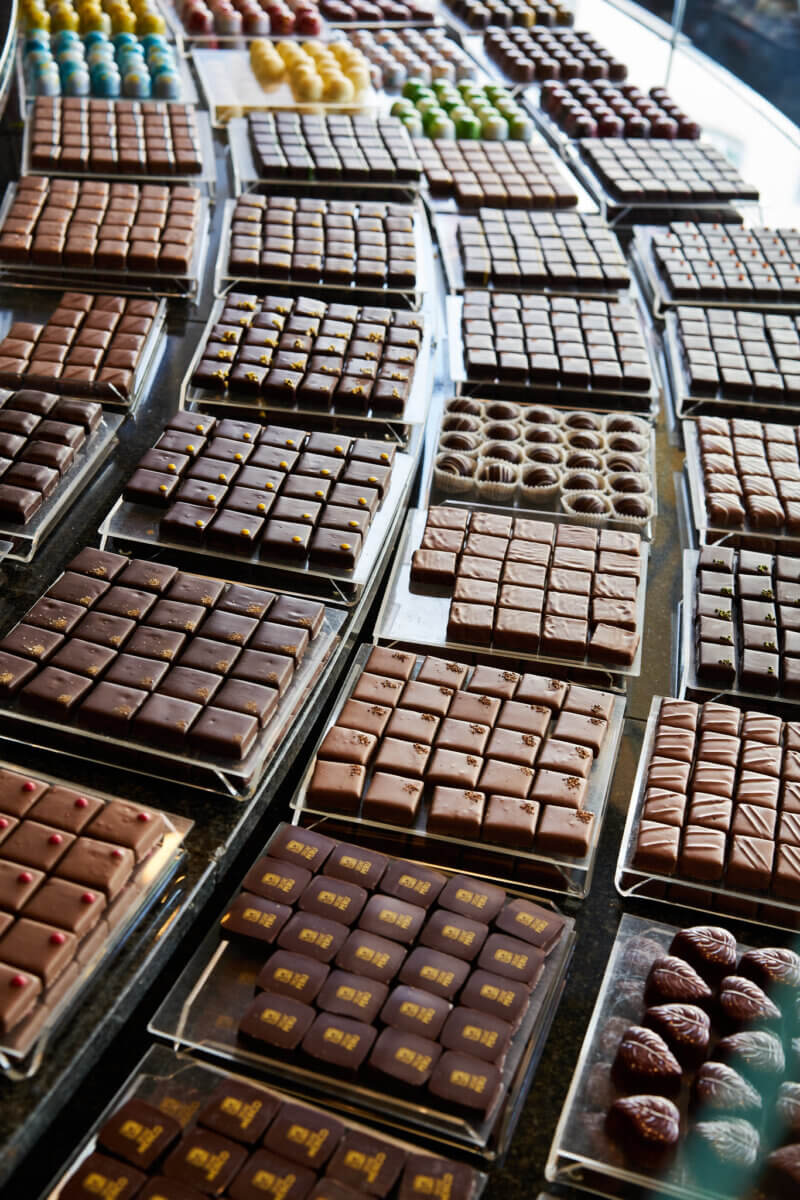
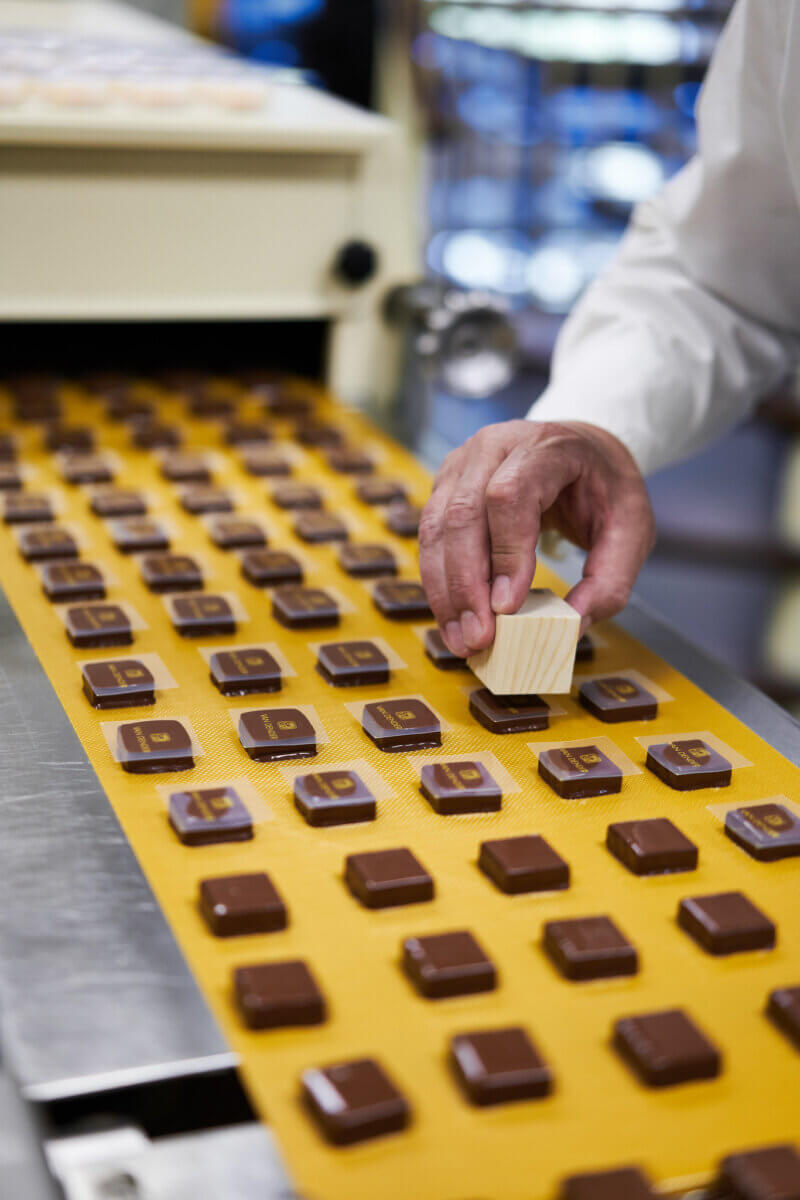


Proudly shared, “Being the headquarters of the European Union, NATO and more than 60 European and international institutions, Brussels has evolved into a truly international city. Did you know that it is the city with the highest number of diplomats in the world? Of course, this international network is also reflected in the presence of restaurants from all around the world in the country, but also in the evolution of Belgian cuisine, which does not shy away from integrating new influences, ingredients and spices. Today, the offer is also being expanded with vegetarian and or vegan experiences.”
With regard to food culture in Belgium, “What makes Belgian food unique?” Ambassador Sibille candidly answered, “The openness of our citizens to novelties, creativity and “joie de vivre” is probably the main characteristic of our cuisine. The typical Belgian cuisine is a combination of innovation and tradition, with rustic local products adapted to today’s taste and with regular new influences.”
“Our most important drink remains beer, a product that has been part of our tradition for centuries. In Belgium, hundreds of different beers are brewed in nearly every city. Belgium is also known for the Trappist beers, brewed by monks in monasteries, a tradition that dates back to the Middle Ages, when abbeys became important centres of knowledge about agriculture and crafts. In Belgium, beer doesn’t only come with diversity and quality; it also represents a culture in itself, each beer being served in its own particular glass. Belgium is not a large producer of wine, although we drink it commonly and use it regularly in our cuisine as well. In the last decade, we have also seen an increasing production of Belgian sparkling wines, which have achieved high scores in international competitions.”
©SPFAE Grand Place ©Shutterstock.com

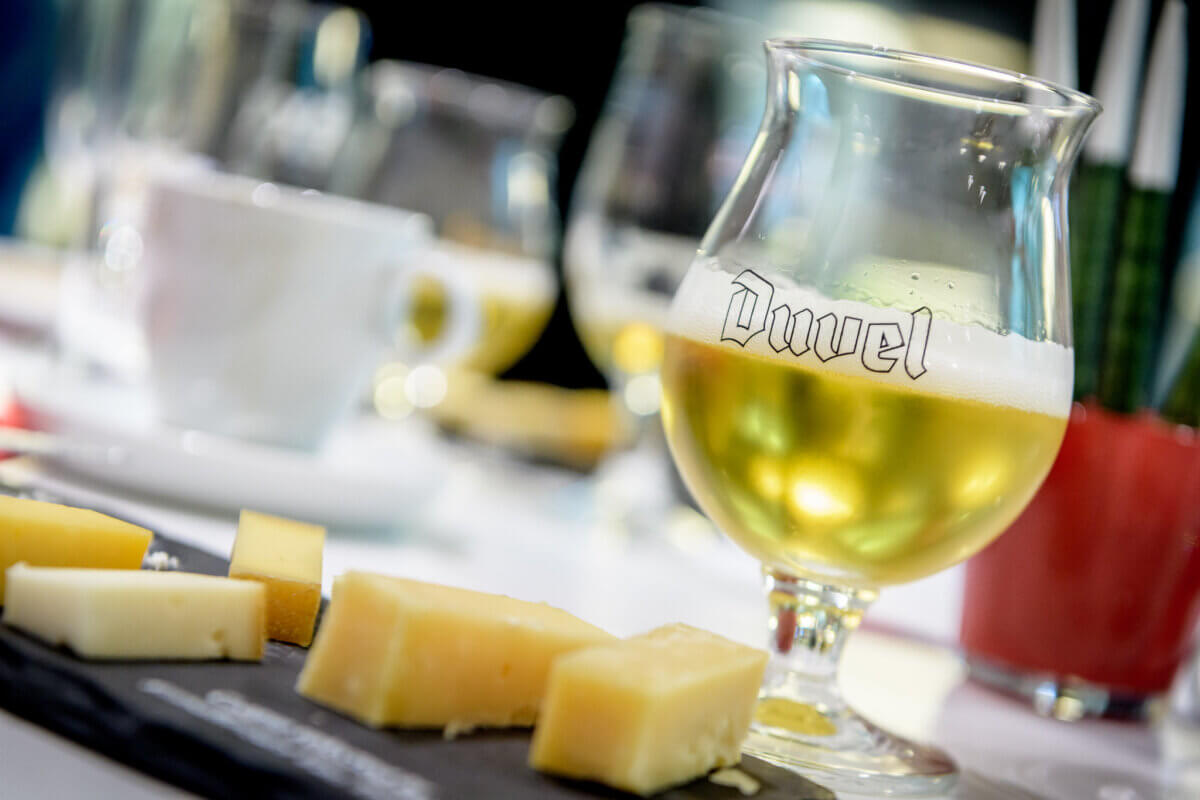
“As far as food is concerned, its specificity is difficult to summarise in a few lines, as there are so many recipes and traditions, although Belgium has only 11 million inhabitants. Eating, and cooking, is really part of our way of life and each family will have its own secret recipes.”
Sharing with our readers some typical Belgian secrets, Ambassador Sibille elaborated, “The first secret is the sweet note we end dinner or lunch with. Not only do we have a dessert but also we usually have a little chocolate (the famous praline) or a nice biscuit – often a speculoos, a cookie made with cinnamon and the typical brown sugar of Belgium “cassonade” - with our coffee or our tea afterwards.
The second one is how we celebrate every opportunity with food: we have many festivities around the year, from Epiphany (6th of January) to Easter, Saint Nicholas or Christmas. Each one of them is accompanied by a different culinary speciality, which may vary from one city to another. Some of them are only eaten once a year on that special day!”


Key representative Belgian dishes
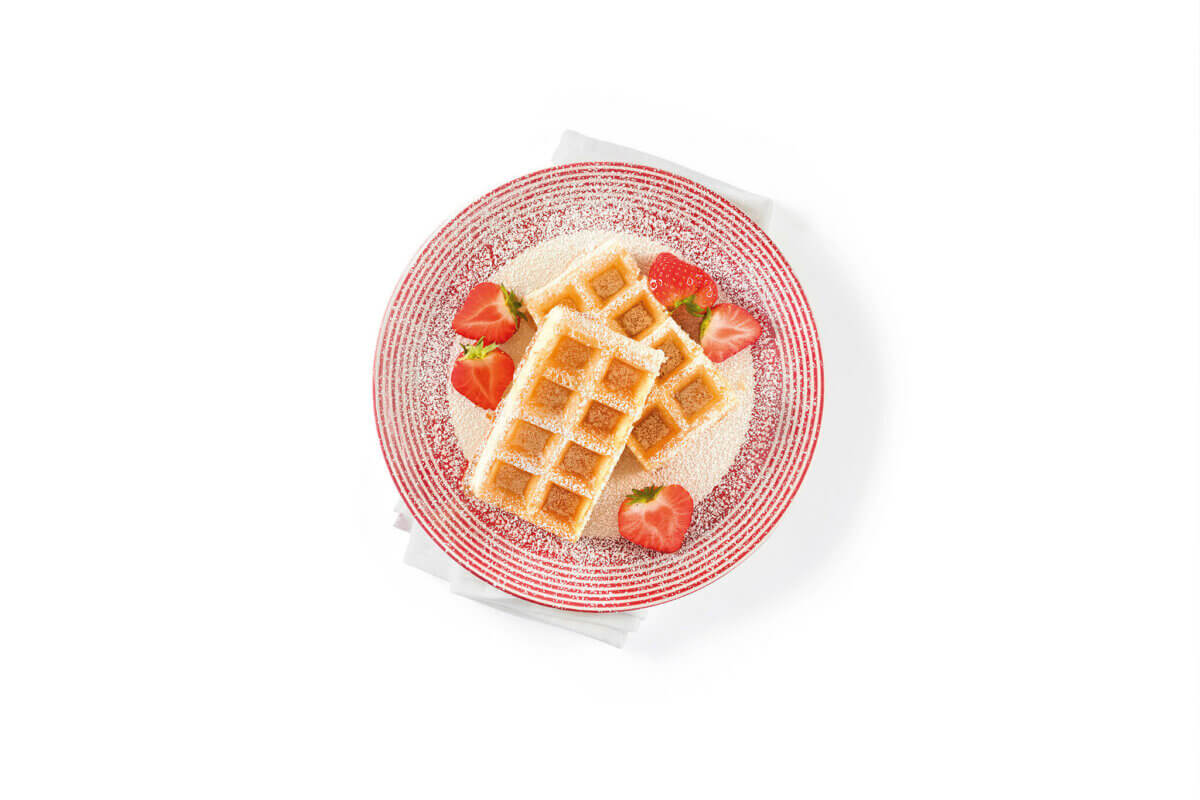
Belgium is known for its waffles. But outside of Belgium it is rarely known that waffles come in many different versions. If you want a “Belgian” waffle, you will first need to decide if you want a waffle from Brussels, light and crispy, often eaten with whipped cream and fruit, or one from Liège, a waffle with a special kind of sugar, which is eaten very warm. These two varieties are the most well known, but many more exist.
©Shutterstock.com ©visitflanders.com

A simple but very typical Belgian dish is the “steak tartare”. It is made up of good quality minced raw beef, mixed together with mustard, shallots, pickles, capers and some herbs and spices. The Belgian version of the dish is usually served with mayonnaise and Belgians call it an “American filet“ (it has nothing to do with America but that doesn’t matter!). Of course, they serve it with fries. Or Belgians just eat it on a sandwich, as a quick lunch, on a working day.
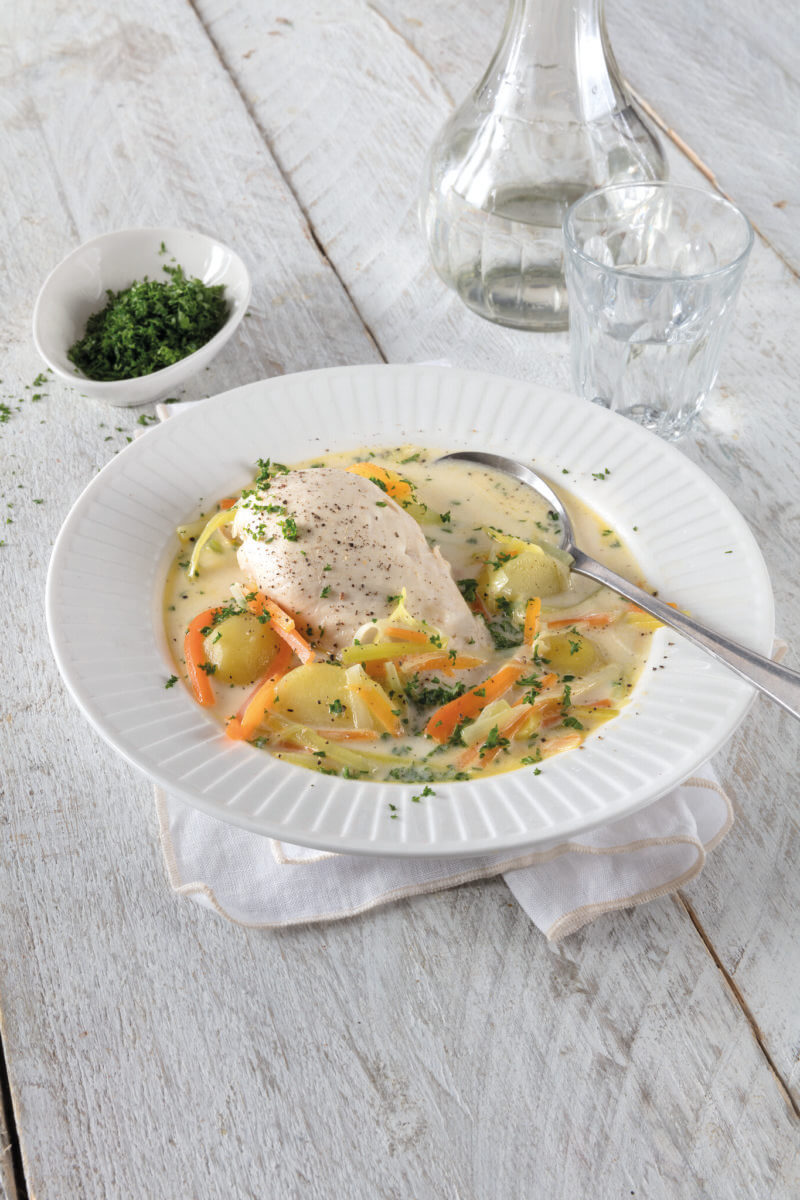
Another typical Belgian dish is the “waterzooi”, a soup made with chicken or fish, according to your taste, cooked with vegetables (usually carrots, celery and leek) and potatoes, and thickened with cream. It originates from the city of Ghent and was traditionally served with fish, although it is more often made with chicken today.
Flemish stew, a beef stew slowly cooked with dark beer, is another common Belgian recipe. Traditionally it is cooked with special syrup from Lieges, creating a sweet and sour flavour. In Belgium, it would typically be served with mashed potatoes or fries.
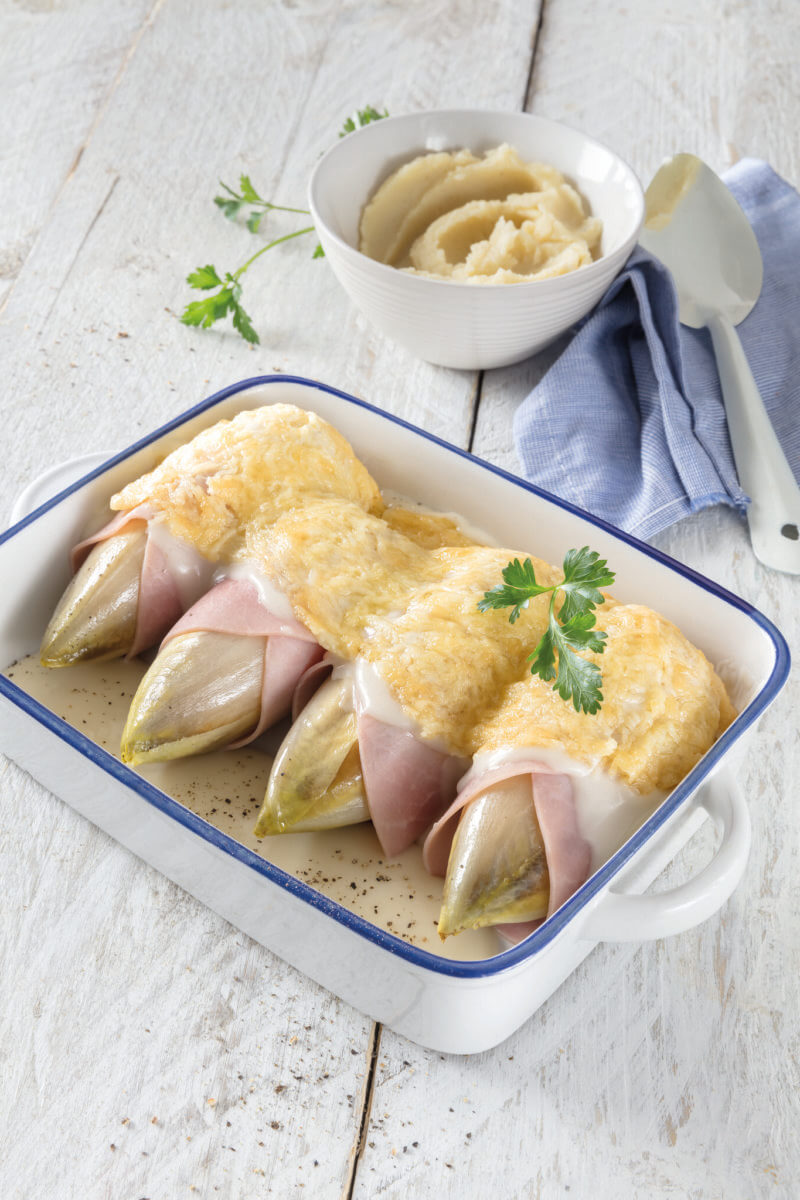
In another family recipe, some Belgian endives wrapped in ham and cooked in the oven with a white sauce usually do the trick. It is a very traditional family dish. For children, who usually do not like their bitter taste, the endives (Belgians call them “chicon” in French or “witloof” in Dutch) can be replaced by leek.
For dessert, what about a “chocolate mousse”? The Belgian recipe is usually very light, without cream or milk, focusing on the taste of the dark chocolate mixed with whisked egg whites.
Maybe, as a last one, amongst many more specialities to be explored by our readers, is the Dame blanche or “white lady”. A very simple recipe, made of vanilla ice cream (advised for a homemade one by Ambassador Sibille) covered with a hot chocolate sauce – made with Belgian chocolate of course. “For those with a sweet tooth, I would further advise to add whipped cream and some crushed speculoos on top! Easy and delicious for children and adults alike!”
As our interview drew to a close, Ambassador Sibille shared for the most curious of our readers and the food lovers amongst them, some interesting websites where you can find recipes:
https://walloniabelgiumtourism.co.uk/en-gb/3/i-love/food-and-drink/chefs-recipes
https://www.visitflanders.com/en/themes/flemish-food/flemish-dishes-and-specialities/flemish-dishes/
https://visit.brussels/en/article/do-it-yourself-gastronomy-cooking-brussels-style
Enjoy discovering Belgian cuisine!