Author

Monique Jhingon

Hormonal imbalances lie at the root of a host of common health concerns that affect many, if not most, women at various stages of life. Whether it is teenage (or adult) acne, PMS, fertility issues, fibroids, weight gain, fatigue, mood swings, blood sugar imbalances, osteoporosis, premature ageing, insomnia, loss of libido, most women have experienced at least one or more of these symptoms of hormonal imbalance.

Fortunately there are many ways to support hormonal balance naturally and take back control of your health, your life and your sanity. There is no quick fix and neither will you ever be “done”: as your body, the environment and your circumstances keep changing, so does your need to adjust and course -correct.

But despite these caveats, achieving hormonal balance is within reach. If you are ready to do what it takes, make targeted diet and lifestyle changes, use some good quality natural supplements, work on optimising your digestive health, you can be well on your way to feeling better and resolving many of your hormone -related health concerns.

In this article I will discuss some common root causes that contribute to hormonal imbalance and share some essential nutrition and lifestyle tips that can help restore balance and resolve symptoms.

The wondrous world of hormones

Hormones are chemical messengers, secreted by the endocrine glands that govern most bodily functions. The role of the endocrine system is ultimately to maintain balance and to regulate important processes such as growth, reproduction and development.

The way this system works is truly amazing. It depends on an intricately complex communication and feedback system and can be compared to an orchestra with a conductor and many musicians, who need to be finely tuned into one another in order to create that perfect symphony.

Many things influence that delicate balance but there are 4 areas that can be considered of prime importance when it comes to building a strong foundation for hormonal health.

  1. Adrenal function

Our adrenal glands are the tiny glands atop our kidneys responsible for regulating the stress response in our bodies through the synthesis of a number of different hormones such as adrenalin and cortisol. The adrenal glands are, in a way, the fuel tank of our bodies. Designed to respond to a sudden stressful situation they release (amongst other things) adrenalin and cortisol, which get the body ready with increased levels of energy and focus so you can “fight” or “flight” from the stressor you encountered. When the situation has resolved, you adapt and your body recovers so that you can go on with non-emergency functions such as digestion, repair, reproduction etc.

However, sometimes life is an ongoing chain of stressful events. You might be facing deadlines at work, eating a not-so-healthy diet, entertaining often with alcohol and late nights, dealing with relationship issues or worrying about the health of a relative. Maybe you live in a big city and have to deal with traffic, pollution or a long commute to work.

There are so many different things that cause us stress and when there is no time for the body to recover and adapt the adrenals pump out high levels of cortisol continuously thereby not only affecting essential functions in the body but also disrupting hormonal balance. Thyroid issues, and steroid hormone imbalance often happen as a result of continuously elevated cortisol levels.

As you can see it is very important to address the stress in your life: mental/emotional stress but also the “internal” stress caused by a poor diet, nutrient deficiencies, infections, or toxicity.

  1. Blood sugar balance

When we eat carbohydrates they get broken down into simple sugars, which are then absorbed into the blood stream causing blood sugar levels to rise. This triggers the release of the hormone insulin by the pancreas, which signals cells to pull glucose out of the blood stream and into storage. This mechanism helps to keep blood sugar levels in a normal range.

When we are continuously flooding our system with high sugar foods it can eventually cause that system to falter leading to blood sugar highs and lows, insulin resistance, and eventually continuously high blood sugar levels.

This in turn can affect the body and brain in several negative ways. Blood sugar imbalances become an additional “stressor” on the already taxed adrenal glands contributing to the whole cascade of hormonal imbalances.

A first step to better blood sugar balance is to modify your diet and reduce carbohydrate consumption, most importantly refined sugar and high sugar foods. Eating healthy whole foods and including healthy fats, fibre and protein in every meal further helps to regulate blood sugar levels.

    Portrait beautiful young asian women happy smile relax around sea beach ocean at sunrise or sunset time
    1. Gut health

    All (hormonal) health begins in the gut. For every hormone that is created or detoxified in our body we need certain minerals or vitamins. A healthy and well functioning digestive system results in the efficient breakdown and absorption of these vital nutrients. Additionally, our gut microbiome (the trillions of micro-organisms that reside in our gut) is directly involved in the regulation of many hormones, including estrogen, thyroid hormones, melatonin and hormones involved in metabolic processes.

    Diet is critical in supporting gut health and a healthy gut microbiome. Removing foods that contribute to intestinal inflammation, and including foods that support digestive function are vital. Make sure to include fermented foods such as kimchi, sauerkraut, yoghurt, kefir in your diet as well as a variety of colourful fibre -rich plant -based foods that help feed the beneficial bacteria in your gut. This will all help build a strong and healthy gut and support hormonal health.

    1. Liver function

    We know the liver as the body’s main detox organ, responsible for breaking down and eliminating harmful toxins but some of its other important functions include the detoxification of excess hormones, conversion of thyroid hormones into their free and usable forms, the production of serum proteins that act as hormone carriers and the regulation of sex hormones.

    You can see how a compromised liver function can have a ripple effect on your hormonal balance and how important it is to support your liver function. Eating a clean diet, restricting alcohol, sugar, nicotine, reducing your environmental toxic load, and supporting toxin elimination with adequate hydration, a fibre rich diet, and exercise can enhance the body’s natural detoxification pathways. Vitamin -C rich foods, turmeric, beetroot and cruciferous vegetables such as broccoli, cabbage, onion, kale and radish are wonderful to help support liver function.

    5. Diet first

    When it comes to building good health there is not just one thing that is going to do the trick. Finding the right diet for your unique body and circumstances is essential but so is movement, sleep, eliminating toxins, enjoying good relationships, spiritual wellbeing, stress management and having a purpose.

    Even though all these areas need to be addressed, adjusting your diet helps to build a strong foundation. Eating a healthy whole -food diet that is right for you will ensure that your body and mind are getting the right building blocks in the form of macro and micronutrients.

    Everybody is unique and I work with my clients to identify their root core imbalances as well as their unique requirements in terms of nutrition but there are a few principles that apply to everyone, no matter what the circumstances are:

    1. Eat real food: unrefined, unprocessed, traditional and wholesome, preferably seasonal and local.
    2. Bump up your rainbow coloured vegetable intake to increase the nutrients and fibre in your diet.
    3. Eliminate inflammatory foods such as sugar, GMO foods and unhealthy fats such as trans fats and refined vegetable seed oils.
    4. Avoid overeating and unlimited snacking and eat with awareness, chewing properly to support your digestion.

    These principles, even though very simple and straightforward, can be very powerful in building a strong foundation for health in general and hormonal health in particular.

    If you focus on supporting the four areas I covered in this article and you apply these four diet principles in your life, you will start seeing a difference in the way you feel and in the symptoms that are related to your hormonal balance. If you feel you need more help, get in touch with me on my website to set up a free Nutrition Breakthrough session!

    Be Well.

    Monique

    Monique Jhingon is a Functional Nutrition & Lifestyle Practitioner who offers select private coaching to expats whose health and digestion has been compromised as a result of transitioning into new environments, cultures, climates and foods.

    You can read more on her website and sign up for a free Nutrition Breakthrough Session here: www.moniquejhingon.com


    0 comment
    0 FacebookTwitterPinterestEmail

    About 15 years ago, when I was struggling with some really frustrating health issues that I was not able to resolve through conventional medicine, I turned to nutrition to find answers. I had always been interested in food and ate what I considered a fairly healthy diet. Despite this my body wasn’t cooperating: my skin was breaking out, my digestive system was out of order, I was fatigued all the time and I felt “toxic”.

    My natural response was to try and cleanse and detox my system, which I did through adopting a purely raw, vegan diet for a period of time. I don’t deny that it felt really clean, light and healthy to eat a colourful plant-based diet. After the initial “honeymoon” period, however, I noticed my digestive system had become worse, I had lost more weight than I could afford to and I started noticing other symptoms, like feeling light-headed and dizzy.

    In hindsight, the toxicity I was feeling was due to an inflammatory response triggered by gut issues. If I had to do it all again, knowing what I know now, I would most certainly not choose a vegan diet to try and quench the internal inflammation. The diet I was eating may have been loaded with minerals and vitamins and other plant-based nutrients, but it was also full of problematic plant proteins and fibres that further irritated my gut lining, fuelled the inflammation and interfered with my ability to absorb vital nutrients.

    Why am I telling you this? 

    Because I see too many people blindly jumping on the latest diet trends without any regard for their bio-individual needs. Which is fine when you are just playing around with your diet to try and optimise your performance, lose some weight and you have no health issues as such. But when you are feeling flat, fat, unfocused, fatigued, you have been diagnosed with a health condition or are dealing with other, mysterious symptoms you may end up making things worse.

    I know it’s compelling to shift your diet based on a trending documentary that touts the enormous health benefits of eating a certain way, trending articles that speak about this wonderful new “fix-all” diet approach, or a friend’s amazing weight loss results. You could get lucky. But what 15 years of studying nutrition and working with clients has shown me is that resolving health challenges more often than not requires a very systematic and personalised approach that takes into account your unique health history, your current health status, your age, gender, genetics, environment, and lifestyle.

    Here’s what I urge you to consider:

    Make well-informed decisions about what to eat. We’re talking health here: your ability to live a long and illness-free life because of choices that you make today. Therefore, would you not want to base your decisions on facts and consider all the angles? Approach documentaries and articles and success stories with an open yet critical mind and question what you hear. Just because someone says something is true, it does not have to be so, in general or for you in particular.

    • Reading and analysing scientific studies and reviewing all the evidence is time consuming and you may therefore need to rely on people to do it for you. Find reliable and reputable resources that provide reviews that are as unbiased as possible and that acknowledge the importance of bio-individuality. Question those that have a one-fit-for-all approach; there is no such thing. 
    • Despite modern technology and all the recent scientific advances, we are still are far from knowing it all. New body parts and signalling pathways are still being discovered and we are only beginning to understand the role of the microbiome in health and disease, just to name an example. Staying abreast of what we do know is key but simultaneously developing a deep sense of awareness and an ability to tune in to your body and read its signs and signals is going to be the most important success factor in optimising your health. 
    • Whatever your chosen diet approach, quality matters. Certain things are bad across the board and those include processed, refined foods and sugar. Aim for a whole food diet, animal protein from sustainably and humanely raised, grass-fed, and free-range animals, poultry and eggs, wild and sustainably caught fish, organic fruits, vegetables and whole grains. Also, don’t overeat: our bodies are simply not made for that. 
    • Diet matters. But so do many other things such as movement, a positive mindset, joy, inner balance, love and relationships, rest, a connection to a higher power. True health and wellness require a holistic approach so make sure you periodically examine all these areas in your life and address any imbalances. 

    I recognise that nutrition can be quite confusing. There are such diametrically opposing views out there and how do you figure out what is right for you? If you are struggling to make sense of it all, to resolve health challenges or to optimise your health consider having a chat with me to see if I can help. You can set that up by booking a free nutrition breakthrough session on my website.  Be well.

    You can read more on her website and sign up for a free Nutrition Breakthrough Session here: www.moniquejhingon.com

    0 comment
    1 FacebookTwitterPinterestEmail
    thomasville-nc-thomasville-ob-gyn-endometriosis

    Digestion is a process that should happen automatically and quietly, like a soft humming in the background. Something we should not have to pay much attention to.

    This can sound like an alien concept to those that suffer from chronic digestive issues. When you are dealing with abdominal pain, chronic heartburn, bloating, gas, chronic diarrhoea or constipation or reactions to food, it’s more like loud noise; a persistent discomfort that affects your ability to fully be present and feel at ease. In the worst case you may literally be planning your life around your digestion. IBS or Irritable Bowel Syndrome is one of the common causes of chronic digestive distress. An estimated 7 to 21% of the population suffers from this functional gut disorder that is characterised by many of the symptoms described above, the main ones being chronic diarrhoea or constipation or bowel movements alternating between the two as well as abdominal pain or discomfort (1).

    To date, an IBS diagnosis is arrived at through a tedious and time-consuming process of exclusion of other gastrointestinal diseases, which is not only a frustrating process but costly as well. A colonoscopy is usually part of the investigative process and while it’s a relief when colonoscopy results come back clear, you end up walking away without a solution to your problem and possibly the suggestion that it may all be in your head. Some important new areas of research in IBS are starting to throw some light on this common condition and more importantly they are presenting us with exciting new diagnostic tools and treatment strategies (2).

    Morning Sun

    The first area of research is the discovery of post infectious IBS. Based on research it is estimated that approximately 10% of all cases of acute gastroenteritis lead to the development of IBS. It is suspected that in reality these numbers are higher; people tend to forget about episodes of stomach infection. While in many people the acute gut infection is resolved in others it can trigger certain pathophysiological mechanisms that keep symptoms going. These mechanisms include the overgrowth of certain unfavourable gut bacteria, low overall diversity in bacterial species, low grade inflammation, mast cell activation, autoimmune activation, intestinal permeability and small bacterial overgrowth (SIBO) (2) One of the reasons that I am particularly passionate about this topic is that I can personally trace back the onset of my gut related issues to two consecutive gastro- intestinal infections during my first year of living in India. And I have seen this pattern with several of my clients.

    What is exciting about this discovery is that we now have a clear pathway that connects alterations in our gut bacteria through an infection to IBS and an insight into the potential pathophysiological mechanisms involved. Some of these mechanisms can be tested for and this then can provide us targeted treatment strategies for individual IBS cases.
    The second exciting area of research is the discovery of a specific diet, called the low FODMAP diet that has been shown to improve symptoms in up to 86% of IBS patients (3, 4, 5). Other interventions that alter the gastrointestinal microbial environment have been shown to be helpful, such as the use of anti-microbials, probiotics, and pro kinetics (6, 7, 8).

    forest-fog-sunny-nature

    With all these new discoveries and promising new research a few things are becoming clear:

    • IBS is not a lifelong sentence: there are several promising treatment strategies and nutritional interventions that are proving to be extremely effective.
    • The underlying mechanisms that play a role in IBS symptoms are varied and possibly unique to each person as is the journey that got them to this point, which makes it important to tailor-make the approach.

    If you have been struggling with gut related symptoms and/or an IBS diagnosis I’d be happy to have a chat to discuss if and how I may be able to help you resolve your symptoms. You can set that up via my website.

    Be well.
    Monique

    You can read more on her website and sign up for a free Nutrition Breakthrough Session here: www.moniquejhingon.com

    0 comment
    0 FacebookTwitterPinterestEmail
    Should I take supplements

    Probably, yes. Unless you live in a pollution free environment with rich soil and clean spring water, eat a diverse, wholesome and nutrient dense organic, local and seasonal diet, get plenty of sunshine and movement, have a stress free life, and you are in perfect health with a strong digestion and a well balanced microbiome. While these circumstances are technically possible, in reality they are hard to achieve.

    The mismatch between our genetic requirements and our dietary habits, lifestyle and environmental factors has, for most of us, created a nutritional gap that may be tough to fill with diet lifestyle changes alone.

    High levels of stress, existing health conditions, toxic exposure, a lifelong diet of refined foods, caffeine or alcohol can contribute to a higher demand for certain nutrients. A compromised digestion or an imbalanced microbiome can interfere with your ability to absorb nutrients. On the supply side: food these days has less nutritional value as a result of depleted soil, food transportation and storage methods and modern farming practices. If this paints a sad picture (hang on, I will provide some answers!), it is too important to ignore. Nutritional deficiencies are not always immediately obvious. A shortage of nutrients may go under the radar for a long time even as it can have serious implications on longterm health and the risk for developing chronic illness:

    Clean food

    In 2015, Bruce Ames, a brilliant US based scientist came up with the Triage theory, in which he proposes that the nutrients that we take in through our diet or otherwise are first directed towards metabolic functions that are critical to short-term survival and reproduction. What is left is then used for more longer-term health functions. This essentially means that when there is a shortage of nutrients, even if minor, your longterm health or longevity may suffer. In his interview with Rhonda Patrick, PhD, which you can find on Youtube, Bruce Ames uses vitamin K as an example to explain this: vitamin K plays an essential role in blood clotting, which is essential to stop the bleeding when you get a cut: an important survival mechanism. Another role of vitamin K involves calcium metabolism: in binding with excess calcium it prevents calcium from hardening the arterial walls thereby it can help to reduce the risk for heart disease.

    When there is a vitamin K deficiency, the body will first make sure that it is directed towards blood clotting at the expense of its other functions and this may thus affect your risk for cardiovascular disease. While this a simplified example, it does make a point. As Bruce Ames says: the body’s primary objective is survival and reproduction and whether you live beyond your reproductive age is not its immediate concern. But it should be yours. So while all of this may point at a general need to supplement your diet, there are a few important factors to consider before running to the supplement store:

    First of all, you are genetically adapted to get your nutrition through food. There is an obvious difference between the synergistic effects of nutrients as they exist in whole foods and taking a supplement that contains isolated nutrients. They just don’t work the same way. Your first and foremost goal should therefore be to reduce the nutritional gap as much as possible by striving to eat the best possible diet and the highest quality of nutrient dense food, alongside managing lifestyle factors and optimising your digestion and microbiome health. ( Have a look at how I do that on my website.)

    Once you have built a strong and solid foundation you can then examine your individual deficiencies, which can, in some instances be identified through testing (a standard lab test can throw up some very useful information, or you can go a step further with organic acid testing) and by looking at your unique health history, environment, lifestyle factors and current symptoms.This may point at a need for extra support in the area of immune function, digestive health, gut barrier healing, or antioxidant support. Some of this support can be found by boosting your intake of foods that contain high amounts of the required nutrients and sometimes you may need to do some targeted supplementation.The key takeaway is that you want to pay attention not only to your body’s signals but also to the various environmental factors that may be influencing your long-term nutrient status, to prioritise a healthy nutrient dense diet and to remain open to a possible need for supplementation.

    0 comment
    1 FacebookTwitterPinterestEmail
    muesli

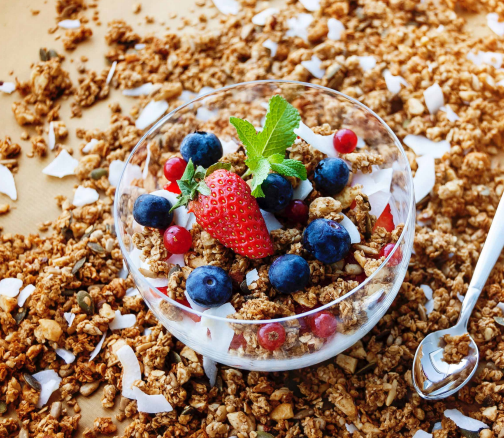
    One of the advantages of living in Asia is the ease with which you can travel to diverse and exotic locations. Within a couple of hours, you can be in tropical rainforests, on remote beaches, in the mountains or in a bustling city, ready to enjoy new cultures, food and outdoor adventures. The thing with travel is that while your mind is enjoying new experiences, your gut is busy adjusting to a different environment, routine, climate and often a whole different type of cuisine. And depending on your constitution, that digestive adjustment process can either be pretty uneventful or involve some irritating digestive hiccups. One common complaint is a complete halt in the bowel movement department. Which can be very annoying, especially when you’re trying to squeeze your ever-growing tummy into your best beachwear.

    Jokes apart, constipation while travelling can throw a wrench into your travel enjoyment. It’s not just the realisation that you are quite literally full of [email protected]#t but also the bloating, feeling full and the general discomfort that affects your state of mind. What contributes to travel constipation are a number of different factors: a change in routine, time zone, a different eating pattern with often less fresh vegetables and fruits that usually provide the necessary fibre to move things along. Flying can be dehydrating and insufficient water intake while you are on the move may play a role too. If sunset cocktails by the beach is your thing: alcohol may add to dehydration too. Your microbiome (the 100 trillions microbes in your gut) adjust to different environmental factors too, which can result in a change in digestive patterns. Fortunately, there are a couple of things that you can put in place to support your gut and your regularity while travelling:

    1. Hydrate
      Start with a glass of warm water first thing when you get up (squeeze some lemon juice into it for an extra digestive kickstart) and continue to drink water throughout the day – somewhere around 8 glasses or more, depending on your activities and the climate.
    2. Fibre
      Find ways to include fibre. Granted, most hotel and restaurant menus lack variety in terms of fresh fruits and vegetables and you may want to be careful eating raw salads, depending on where you are. There are other ways to include fibre: choose wholegrain toast instead of a croissant (except of course when you are gluten-free) or eat some freshly cut fruit topped with nuts and seeds. Most buffets will have prunes too! I just came back from a trip to Oman where I enjoyed a daily serving of hummus (chickpeas are high in fibre) and fresh tabouleh. Work with what you have. To make things easy, consider bringing a greens powder (like Amazing Grass, which I usually carry) to get your daily quota of fruits, vegetables and fibre during a trip.
    3. Move
      Moving your body helps to move your bowels. Certain types of holidays involve a lot of movement, like sightseeing trips but if you’re parking your behind on the beach, you may need to make some extra effort to include exercise. Take a walk on the beach, or practice a few constipation busting yoga moves before you head for breakfast.
    4. Added support
      There are a couple of tricks that you can include in your travelling bowel toolbox:
      • Magnesium citrate can help relieve constipation by creating an osmotic effect and drawing water into the colon. Take 1 tablet at bedtime and bump that up to bowel tolerance.
      • Triphala is a wonderful Indian herbal digestive supplement that can help support regularity as well. Again, take 1-2 capsules at bedtime.
      • Psyllium husk adds bulk to your stool, which can help to stimulate intestinal peristalsis and move stool along more quickly. You want to take it with plenty of water or it may make matters worse.
      • Even though I am not a fan of using senna on a long-term basis for constipation, during a trip it may come in handy. I like the Smooth Move senna based tea for gentle constipation relief.

    In general, it helps to have a healthy gut and so supporting your digestive system and microbiome on a consistent basis will set you up for success in the long run and even while travelling. You can find the steps involved in digestive health building on my website.
    Be, and travel well.

    0 comment
    0 FacebookTwitterPinterestEmail

    When a lingering cough kept getting worse and started to interfere with her ability to work Myra, an expat based in Bangkok, finally decided to go see a doctor. She happily accepted his recommendation to take antibiotics, one at first followed by a second dose. When that failed to help and the same doctor prescribed a 3rd dose she took it too, albeit reluctantly.

    What followed was something neither she nor the doctor had anticipated: a whole body crash. Myra reacted so severely to the 3rd round of antibiotics that she ended up in the emergency room. The saga didn’t end there: Myra had to fly back to her home country two weeks later, in a wheelchair, to start a long recovery. What became clear was that the medication she had been prescribed had affected her on multiple levels: her energy was almost non-existent, she was unable to tolerate most kinds of food and anything out of her diet routine, which was limited to a few basics staples triggered a severe reaction.

    When I spoke to Myra for the first time, about 5 months after the start of her issues, she was back in Bangkok, mostly homebound and still dealing with low energy levels. In addition to the extreme fatigue she was experiencing digestive issues and she was pretty desperate and ready to try anything to get back to feeling like her normal self. While Myra’s reaction to the triple dose of antibiotic treatment had been extreme and possibly related to a number of different factors, there was a strong possibility that the antibiotics had done more than just wipe out the bacterial infection in her lungs.

    It had most likely eradicated a significant part of her gut bacteria as well. Antibiotics are known to affect the health of our gut microbiome, which consists of trillions of microorganisms that play an essential role in many of our body functions, including energy production and digestion. While antibiotic treatment can literally be a lifesaver with respect to curing or preventing life threatening infections they are unfortunately still handed out like candy at the first sign of a cold or flu, more so even in certain parts of the world. Most expats in Asia can relate to this. It is very rarely that I work with a client who doesn’t have antibiotic use as part of their health history.

    Restoring the microbiome therefore ends up being an important part of a holistic health-building programme and it was something I actively focused on with Myra. You can compare the microbiome to an inner ecosystem such as a tropical rainforest, which is housed in the gut. There are trillions of microorganisms and thousands of different species and some of those are, like in many of the world’s ecosystems, facing extinction.

    If you consider that all the different types of microorganisms play a unique role and help to maintain a delicate balance, you’ll begin to understand it is essential to support microbial diversity. There are several ways to help restore microbiome health. Taking a high quality probiotic supplement is a great starting point for most people and adding probiotic rich foods to the diet is another great way to help to introduce certain strains of beneficial bacteria into the gut. But what is turning out to be even more important than that is to encourage natural growth of the beneficial bacteria that are already in the digestive tract with the help of plant based whole foods.

    I came across an interview some time ago where it was said that our Palaeolithic ancestors ate, on average 600 different foods in one year. The estimated number of different foods in a typical modern Western diet is on average 20 per year. This lack of diversity in our diet is (in addition to antibiotic use, toxins, infections, etc.) what is contributing to a lack of microbial diversity in our gut and an inability to restore balance. So what do you do to help resolve that? Branch out! Step out of your comfort zone and try different foods. The aim is to include 40 different plant based, whole foods into your weekly diet routine.

    While this may initially seem like a challenge, consider that a red onion is different from a yellow onion. Brown rice is different from red rice. If you are used to eating salads with your meals, try stepping away from the usual romaine lettuce and try a different type of lettuce, arugula or kale. Explore weekly farmer’s markets in your area and experiment with new seasonal produce.

    Myra got the hang of this pretty quickly and it was one of the things that helped her to achieve a remarkably quick improvement in her digestion and energy levels. When we spoke earlier this week she was happy to report that she is up and about and back to living a normal life. We are all creatures of comfort and it is easy to fall into a routine with regards to food. If you are feeling less than optimal or you have taken antibiotics try the food diversity challenge so that you can restore the health of your microbiome and create a positive ripple effect in your entire wellbeing.

    If you need help with any of it, I invite you to a free Nutrition Breakthrough Session so we can discuss ways to have you feeling on top of the world.

    0 comment
    0 FacebookTwitterPinterestEmail
    women

    Lauren seemed to be at her wit’s end. We had been spending quite a bit of time recently trying to find a connection between her diet and her frequent headaches, fatigue and joint pain but despite eating a healthy and wholesome diet and doing “everything right” for a few weeks, she was still dealing with debilitating headaches, pains and extremely low energy levels that demanded frequent rest, which was next to impossible as an expat mom with small children. She mentioned feeling low and unable to see the light at the end of the tunnel, which was all very understandable.

    While many people start feeling a lot better when they clean up their diet and start to prioritise self-care, some are slow to respond or even feel worse. This can be very confusing and frustrating. Making diet changes can be hard as it is and if you don’t see any improvement you start to wonder why you should be bothered to continue. There are a number of possible reasons that cause this “setback” and sometimes it is related to food sensitivities that are becoming more pronounced as you replace certain foods with healthier choices that are simply not right for you (yet).

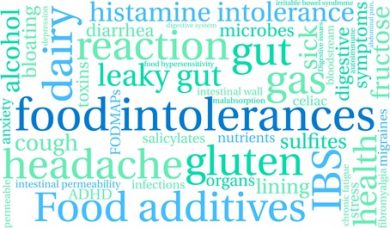
    Food Intolerances Word Cloud on a white background.

    The process of identifying trigger foods requires putting on a nutrition detective hat and getting really methodical about tracking food intake and symptoms. What makes it challenging is that food intolerances or sensitivities can be delayed and varied and can show up in a variety of different ways, ranging from digestive issues to skin itching, hives, sneezing, a runny or stuffy nose or as in Lauren’s case headaches, tiredness or joint pains. What’s more is that it can be about quantity or sometimes it’s not just one food, but an entire food group that causes these symptoms.

    I have worked with clients who reacted to foods that have high levels of phenols such as histamine, salicylate or glutamates. Others reacted to FODMAPs, which are naturally occurring types of carbohydrates and sugar alcohols found in what are otherwise predominantly healthy foods. To most people these terms sound like a foreign language, which is why it can be very valuable to have the support of a nutritionist who knows what to look out for and so that you don’t feel like you’re going it alone. Knowing how frustrating it can be to work through this process I asked Lauren to simply use a food journal to write down when and what she was eating and when she was experiencing symptoms so that I could find the connections.

    coffee

    “When you’ve tried changing your diet, and things felt worse or no better, it may be time to go deeper and check for and eliminate food sensitivities. The best way to start is by optimising gut health, which includes your microbiome.”

    More importantly, I showed her how to simultaneously heal and seal her gut and support detoxification. Because the questions to really ask are these: what is going on in there that is causing these reactions? Why is the immune system so hyper reactive? How is the microbiome, or gut health, impacting all of the symptoms? And how can we rebalance the microbiome so that food sensitivities go away naturally. Lauren is doing a whole lot better right now. We removed from her diet foods that are known to contribute to inflammation and joint pains in some people. We have been working on supporting top to bottom digestion, immune system support and she has incorporated detoxification support practices that include Epsom salt baths and lymphatic drainage massage.

    women in the beach

    As a result, her energy levels have improved, her headaches much less frequent, her joint pains are almost gone and she is beginning to see the light at the end of the tunnel. When you’ve tried changing your diet, and things felt worse or no better, it may be time to go deeper and check for and eliminate food sensitivities. The best way to start is by optimising gut health, which includes your microbiome. This is a very common challenge, and it’s easier when you have the right support and nutrition “detective” on your side that can find the connections for you and show you the way out. If you feel you need my support with this, sign up for a free nutrition breakthrough session on my website and let’s see how I can help.

    Be well

    Monique

    0 comment
    0 FacebookTwitterPinterestEmail
    brown eggs

    Eggs used to be a weekend thing in our house when I was younger, for those lazy mornings when we had time at hand and wanted to enjoy a more elaborate and leisurely breakfast. Having eggs for breakfast was more like a special “treat”. Surely this also had something to do with the fact that we were told not to eat more than 2 eggs a week because anything more than that was supposed to be bad for your cholesterol.

    I now know that eggs are one of nature’s most perfect foods and prepare them often. They are good for you, easy to prepare, high in nutrients, healthy fats and they contain high quality protein. Protein is essential for building and repairing body tissues and for overall healthy function. It should play an important part in every meal and especially our “modern” breakfasts are often lacking in protein. Eggs are a perfect, versatile and easy way to ensure an adequate and high quality protein intake. In this article I will give you a breakdown of the nutrients, health benefits as well as a more detailed look at the different types of eggs you find in stores today and which ones you should choose.


    The nutrition angle

    fried egg

    Protein

    Eggs contain the complete range of essential amino acids, which makes them a perfect and high quality source of protein. On three of the four scientific scales for protein quality used for the past few decades eggs consistently score the highest, beating other foods such as milk, beef, whey and soy.

    Fat

    Eggs have been avoided for years by people because of their high levels of saturated fat and the effect it was supposed to have on cholesterol levels. We now know that there is a difference between dietary sources of cholesterol and blood levels of cholesterol. In fact, studies have shown that egg consumption has no effect on overall blood cholesterol levels and what’s more: another study found that eating whole eggs actually increased HDL which is the heart-protective, “good” cholesterol.

    You will find eggs in stores that claim higher levels of Omega 3s which is the kind of fat we need more of in our diets. Some companies add Omega 3 oils to the hens’ diet to increase the level. If the diet is unnatural to begin with, this does not make for a superior egg. There are ways to naturally increase the Omega 3 levels in eggs and that is through pasture feeding where the hens are able to consume generous amounts of legumes that are high in Omega 3 fatty acids such as clover and alfalfa. This is obviously a better practice and if you can find eggs that have higher levels of Omega 3s through pasture feeding, you should go ahead and buy them.

    Choline

    Eggs are one of the best sources of choline which is essential for cardiovascular and brain function as well as the health of your cell membranes. Additionally, it has been linked to the production of the so-called “happiness” hormones: serotonin, dopamine and norepinephrine. One study has indicated that 90% of Americans are deficient in choline.

    chicken

    Lutein and Zeaxanthin

    Lutein and zeaxanthin are two types of carotenoids that are important for eye health. They are often prescribed as supplements to help prevent eye diseases as well as age-related eye conditions such as macular degeneration and cataracts. As with most nutrients, bioavailability of these nutrients is higher when consumed through natural sources such as eggs compared to taking supplements.

    B Vitamins

    B vitamins are essential for growth, development, and a variety of other bodily functions. They play a major role in the activities of enzymes, proteins that regulate chemical reactions in the body, which are important in turning food into energy and other needed substances. Eggs contain all B-Vitamins: B1, B2, B3, B5, B6, B9 and B12.

    Minerals

    Eggs contain trace amounts of more than 15 vitamins and minerals. Some of the minerals they contain are difficult to obtain from other foods. Examples are selenium and iodine.

    Sulphur

    The high sulphur content in eggs helps with the absorption of Vitamin B, with liver function as well as the production of collagen and keratin, which helps to create and maintain shiny hair, strong nails and glowing skin.

    The whole egg

    An egg is a complete, whole food and should be eaten like that. Eating egg white omelettes will have you missing out on an important part of the nutrients that are in the yolk. Eat the whole egg.

    eggs

    The origin of the eggs on your plate

    As with all the other food on your plate, it is important to know where your eggs came from. The hens that laid the eggs should ideally be leading a natural lifestyle, which enhances their health, welfare as well as the quality and the nutritional value of the eggs they produce. A natural lifestyle in this case means they should be spending time outdoors walking, nesting, pecking, wing-spreading etc., and eating a natural diet that consists of worms, grubs, insects, legumes and grasses. Unfortunately, most eggs found in stores today are from large-scale factory farms that use practices that are the complete opposite of being natural.

    Hens are packed into cages with little to no outdoor access and debeaking and forced moulting are still common practices in large-scale egg production. Although there still is a lack of regulatory standards to ensure natural lifestyles for hens, labelling provides us with a bit more insight into the origin of the eggs we choose to consume. Labelling laws do vary from country to country and whereas there is a bit more transparency in places like the US and Europe, there is little to none in many countries in Asia. The labelling terms that you find on egg packaging can be quite confusing. Some of the terms used are:

    • cage free
    • free range
    • free roaming
    • pastured
    • pasture raised
    • organic
    • Omega 3
    • Omega 3 enriched

    Next is an explanation of some of these terms, taken from www.whfoods.org:

    Organic eggs – The label organic requires feeding with certified organic feed. It also requires outdoor access but exact standards are not well defined.

    Free range eggs – Hens must have outdoor access but not continuously.

    Pastured eggs – Hens must have continuous access to the outdoor during day and night but this does not exclude the use of pens.

    Cagefree – The legal use of this term does not exclude indoor confinement, nor does it require outdoor access.

    Omega 3 – Omega 3 is a polyunsaturated fat that we generally get too little of in our diets. As explained before, eggs can have higher levels of Omega 3 fats through supplementing the hens’ diets with Omega 3 oils or through pasture feeding. Pasture feeding is a much better way as it will ensure a generally higher nutrient value as well as better living conditions for the hens.

    eggs

    Which eggs do you choose?

    Your best bet would be to choose eggs that are organic (which lowers the risk of contamination and ensures a higher nutrient quality) and pasture raised (with continuous outdoor access). If you really want to know what you are putting on your plate, you should try and find a small, local farm that keeps smaller flocks and that takes care to ensure their hens lead natural lifestyles and eat natural diets. It might take a bitof effort but it is possible do to so.

    While living in Mumbai for example I managed to find a way to get great eggs although it wasn’t easy. They are very different from the standard mass produced eggs: they are not squeaky clean, the shells are all of different sizes and colours, thei absolutely delicious. So from experience I can say that it is well worth the effort to try and source the right kinds of eggs. It feels good to know you are eating something pure, healthy and wholesome.

    Egg allergy

    Since we are covering eggs in great detail, it is important to point out here that eggs are on the list of 8 foods that are most closely associated with food allergy according to the US Centre of Disease Control. If you are allergic to eggs, you will probably know it by now and if not, this is something to be aware of. Furthermore, eggs can be inflammatory for some people. Nutrition is all about bio-individuality so be mindful of that.

    tasty egg

    Egg storage

    Eggs have a porous shell with a protective coating and washing eggs removes this protective coating. If at all they need to be cleaned before storage, wipe with a dry cloth. You can wash the eggs before using them but with room temperature water. Store eggs in the refrigerator in their original carton or in a covered container so that they don’t absorb odours or lose moisture. Storing them with the pointed end down will prevent the air chamber and yolk from being displaced. So there you go: all you ever wanted to know about eggs. Enjoy them. As always, tune in to your body to know when to eat your eggs and choose them well.

    Be well,

    MONIQUE


    0 comment
    0 FacebookTwitterPinterestEmail
    Women

    “How to decide whether it is appropriate for you and how to go about adopting it as part of a holistic lifestyle approach.”

    In the world of nutrition there tends to be a lot of focus on what and how much to eat while the question of when to eat often takes a backseat. While healthy food choices are critical for supporting health and wellbeing, it is becoming clear through recent research studies that the timing of food intake may play an equally important role in optimising health.

    Evidence is pointing at the benefits of not eating for certain periods of time, a concept also known as Intermittent Fasting or Time Restricted Feeding. (1) Intermittent Fasting has been gaining popularity recently and while I am not one to jump onto any trends in a hurry, I have to admit that there are some compelling reasons to consider this time based approach to eating.

    Having said that, all decisions in the area of nutrition should be considered from a bio-individual perspective and not accepted “blindly” and without first questioning whether it is appropriate for your unique circumstances.

    Keeping that in mind, let’s have a look at the logic behind Intermittent Fasting, the benefits of this approach, how to decide whether it is appropriate for you and how to go about adopting it as part of a holistic lifestyle approach.

    sleeping

    The Science of Fasting

    Fasting is something most of us do daily: we fast every night when we sleep. Our first meal of the day is therefore appropriately called “break￾fast” as we break our nighttime fast with food. Technically it takes an average of 12 hours for our bodies to fully digest and absorb the food we eat and after those 12 hours we enter a fasted state. In that fasted state, our bodies mobilise stored fat for energy instead of glucose and this is what triggers fat burning along with a whole other host of benefits. For thousands of years, fasting was a natural part of life.

    Our hunter/gatherer ancestors did not always have food at their fingertips and often had to go for long periods of time without food. In fact, eating 3 meals a day was a random concept introduced during the start of agriculture, roughly 10,000 years ago. (2) Nowadays most people hardly ever go for more than a few hours without food.

    As we are feeding our bodies a steady supply of glucose with frequent meals we leave very little opportunity for our bodies to start burning fat for energy. This has resulted in many people being dependent on glucose and resulting metabolic issues that include high blood glucose levels, insulin resistance, weight gain, inflammation, and fat accumulation.

    What is Intermittent Fasting?

    Intermittent fasting restricts the window of eating to a certain period of time in the day, the most common being 8 hours between lunch and dinner, during which you consume your regular calories. The remaining 16 hours are spent in a fasted state. During that fasting period you can consume calorie free beverages such as tea or coffee and off course plenty of water.

    What are the benefits of Intermittent Fasting?

    Some of the benefits of Intermittent Fasting include improved blood sugar, lipid markers, weight loss, immune health and reduced inflammation, digestive health, and metabolic flexibility (the ability of the body to efficiently shift from burning glucose to fat). These benefits directly affect other areas such as cardiovascular health, cancer prevention, detoxification, brain health and longevity.

    The good news is that it is not necessary to adopt this approach all the time to achieve its benefits. On the other hand, one of the caveats is that the success of Intermittent Fasting does depend on the quality of food that is consumed during the “feeding window.” You want to be eating complete and balanced meals that are nutrient dense and contain fresh, wholesome foods that are right for you. It should never be an excuse to eat just anything.

    How to decide if Intermittent
    Fasting is right for you?

    When deciding to experiment with Intermittent Fasting it is important to first evaluate whether your body is ready to go without food for longer periods of time. You want to avoid doing this if you are dealing with:
    • Diabetes or blood sugar dysregulation
    • Chronic infection
    • Hormonal imbalances
    • HPA Axis dysfunction (a.k.a. adrenal dysfunction), which typically shows up as still feeling tired when waking, experiencing energy crashes in the afternoon, poor sleep, a poor tolerance to stress, poor recovery from exercise, etc.
    • Stomach pain when fasting (this means you want to look into underlying gut issues first)
    • Trying to get pregnant In general it is always important to be in tune with your body and learn to “read” its signals. There will be times that it makes sense to have breakfast, which could be for example if you haven’t slept well, during times of stress, or if have a baby and are breastfeeding.

    On the other hand, when you wake up feeling well rested and strong, it may make sense to skip your morning meal. Similarly, if you have spent the previous night indulging in a larger meal than usual, or you ate later than usual it may feel natural to skip breakfast. This is what I consider to be the best way to approach Intermittent Fasting, basing it on your lifestyle and a sense of awareness of your body andwhat it needs.

    drinking tea

    How to incorporate Intermittent FastingFor some Intermittent Fasting happens naturally: not everyone has a big appetite in the morning. For others, especially if you are used to frequent snacking, skipping a meal may seem far-fetched. A good way to start, if frequent snacking is a habit, is to shift to eating 3 meals a day without snacking in between. As I mentioned earlier, this will work only if your meals are satisfying and provide sustained and long lasting energy. This means making
    sure that you include sources of healthy fat, protein and foods that are high in fibre with each meal.

    Once you are comfortable eating 3 meals a day, the next step would beto ensure that there is a 12 hour gap between dinner and your breakfast the next day. Gradually shift the time of breakfast to a later time until you can comfortably skip breakfast all together and eat your meals in an 8 hour window.

    Being able to do Intermittent Fasting can feel quite empowering. Knowing that you can comfortably skip a meal makes you feel less dependent on food and that can be a big revelation for many people. I hope this helped shed some light on a somewhat trendy topic. If you would like any more help figuring out if Intermittent Fasting could work for you, feel free to schedule a Free Nutrition Breakthrough Session with me here.

    Be well!
    Monique

    1. https://www.ncbi.nlm.nih.gov/pmc/articles/PMC4255155/#!po=7.89474
    2. https://www.ncbi.nlm.nih.gov/pmc/articles/PMC4250148/

    0 comment
    0 FacebookTwitterPinterestEmail
    fruits

    What you eat and what your body can do with it

    When it comes to nutrition there are two important things to consider: what you eat and what your body can do with what you eat. Most of my clients are eating a fairly healthy diet when they start working with me but somehow they are still dealing with health complaints such as low energy levels, fatigue, weight gain, gas, bloating, constipation, IBS-like symptoms, or brain fog. What they often haven’t focused on is making sure that their digestive system is functioning optimally.

    You see, both parts go hand in hand. You want to eat a healthy, diverse and nutrient dense diet and make sure that the vital nutrients are being broken down and absorbed efficiently. Digestive systems are often “battered and bruised” from lifelong exposure to undesirable foods, stress, toxins, medications and more. Considering that the digestive system is where food is broken down into vital nutrients that are then absorbed into our bloodstream it is fairly easy to see the importance of this healing step: if your digestive function is in any way compromised you are not receiving the vital nutrients that your cells need for optimal function.

    smile

    This is what eventually leads to all kinds of symptoms, including fatigue, brain fog, skin issues, immune problems, aches and pains and digestive complaints. Many people don’t make that connection between their gut health and their symptoms but even if there are no obvious digestive issues, there is a good chance that your digestive system is still compromised and playing a role in your frustrating health issues. Once you have put a digestive healing approach into place (and you can read more about that here), the next step is to boost the nutrient density of your diet so that you can flood your system with plenty of vital goodness and start to experience high levels of energy, good quality sleep, clarity,
    focus and optimal health, naturally.

    “…Boost the nutrient density of your diet so that you can flood your system with plenty of vital goodness and start to experience high levels of energy, good quality sleep, clarity, focus and optimal health, naturally.”

    Here are three of the top nutrient dense food categories that are easy to include in your diet:


    veggie

    1 Rainbow coloured vegetables and fruits

    Red tomatoes, orange pumpkin, purple eggplant, yellow bell pepper, white cauliflower, green broccoli, blueberries, and the list goes on. Aim for 9 to 13 servings of different plant foods on a daily basis. Every colour has its own unique set of nutrients and unique health benefits and a combination of colours therefore provides a wide spectrum of goodness. The best and most nutrient dense meals look like a rainbow. This Mexican salad is a great example of a colourful meal.


    vegetable

    2 Glorious greens

    Green leafy vegetables are often missing in our modern diets and they are some of the most nutrient dense foods on the planet. They are high in calcium, magnesium, iron, potassium, phosphorous, zinc and vitamins A,C, E and K. They are full of fibre, folate, chlorophyll and other micronutrients and phytochemicals. Some of the benefits of greens are blood purification, cancer prevention, improved circulation, improved immune system, healthy intestinal flora, clearing congestion and more. There are so many different greens to choose from: kale, watercress, swiss chard, romaine lettuce, spinach, arugula, bok choy, microgreens, to name a few so experiment and do check out local and seasonal greens.


    protien

    3 Organ meat

    Organ meats, also known as offal, include foods such as liver, kidney, and heart, sweetbread or tripe. These foods are very high in nutrients such as B vitamins, iron and zinc, which are difficult to obtain in sufficient amounts from other food sources.


    “The best and most nutrient dense meals look like a rainbow.”

    While this may seem like a less glamorous way of boosting the nutrient density of your diet to many people nowadays, studies have confirmed that traditional cultures highly valued these parts of the animal and naturally followed a “nose to tail” way of eating with a special emphasis on these nutrient dense organ meats. If it feels like a stretch to be eating organ meats start with chicken liver, which is easy to make at home preferably with organic, pasture raised chicken. Once you have developed a taste for this you can start to branch out into eating liver whole or experimenting with other organ meats.

    Have fun experimenting with new ways to boost your nutrient intake. Be well!
    Monique

    0 comment
    0 FacebookTwitterPinterestEmail
    Newer Posts